
Adenium, Backyard Gardening, Cactus & Succulent, Family & Kids' Gardening, Flower Seeds, Garden Planning & Design, Herb Seeds, Homesteading & Self-Reliance, Sensory & Wellness Gardening, Sustainable & Regenerative Living, The Horticulturist’s Lab, Urban & Small-Space Gardening, Vegetables
The Ultimate Seed Starting Guide for Beginners: From Seedling to Harvest
Aug
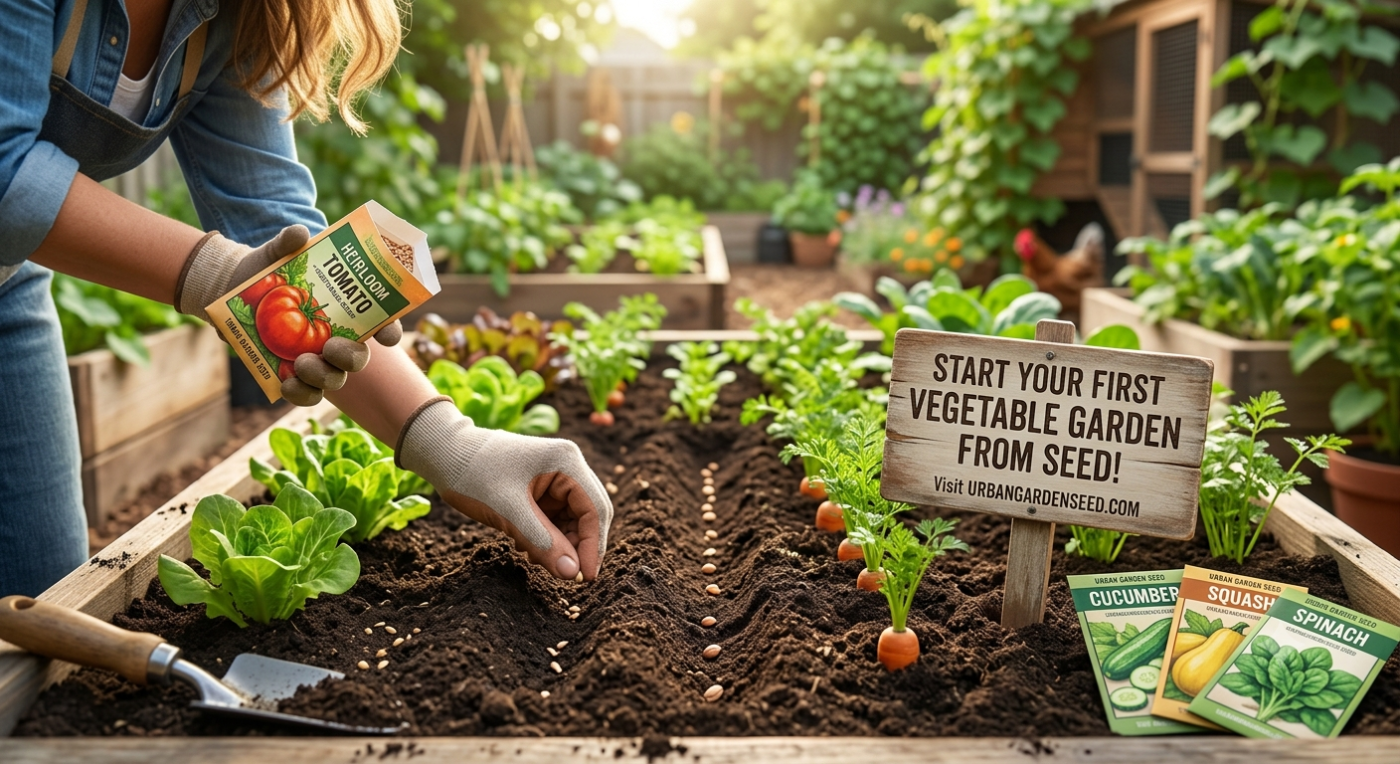
Starting your garden from seed is one of the most rewarding parts of growing your own food and flowers. Rather than being restricted to the limited, expensive starter plants available at local big-box nurseries, growing from seed gives you access to thousands of unique heirloom vegetables, vibrant flowers, and aromatic herbs.
Whether you are building your first raised bed, planting row crops, or managing a backyard garden, starting plants from seed gives you complete control over your growing conditions and saves you hundreds of dollars every season.
Here is your complete guide to seed starting, from choosing between indoor planting and direct sowing to transplanting healthy seedlings into your garden.
Indoor Starting vs. Direct Sowing: Which Is Right for Your Crop?
Not all seeds should be planted the same way. Garden seeds generally fall into two categories based on their root systems and temperature preferences.
1. Starting Seeds Indoors (Transplants)
Crops with long growing seasons or sensitivity to frost need a head start indoors before the final spring frost. Starting them inside under controlled lighting gives them time to mature so they produce a heavy yield before summer or winter sets in.
- Best Crops to Start Indoors: Tomatoes, peppers, eggplants, broccoli, cabbage, cauliflower, and tender perennial herbs.
- When to Start: Typically 6 to 8 weeks before your region’s average last spring frost date.
2. Direct Sowing Outdoors
Some vegetables despise root disturbance or grow so quickly that starting them indoors is unnecessary. These seeds are planted directly into your outdoor garden soil once temperatures are warm enough.
- Best Crops to Direct Sow: Carrots, radishes, beets, beans, peas, corn, squash, cucumbers, and sunflowers.
- When to Plant: As soon as soil temperatures reach the minimum requirement listed on your seed packet.
Essential Equipment for Starting Seeds Indoors
You don’t need a professional greenhouse to sprout healthy seedlings, but having the right basic supplies makes all the difference:
- High-Quality Seedling Mix: Never use heavy topsoil or garden soil in seed trays. Choose a lightweight, sterile, peat- or coco-coir-based seed starting mix that drains easily.
- Seed Trays or Nursery Cells: Use seed trays with bottom drainage holes, peat pots, or recycled containers like egg cartons (punched with drainage holes).
- Grow Lights or a Bright Window: Seedlings require 12 to 16 hours of strong light daily. If you lack a south-facing window with unfiltered sunlight, an inexpensive LED grow light placed 2–4 inches above the plants prevents them from becoming tall and “leggy.”
- Humidity Dome: A simple plastic cover holds moisture in until the seeds sprout.
Step-by-Step: How to Start Seeds Indoors
Step 1: Moisten the Planting Mix
Before filling your seed trays, place your seed starting mix in a bucket and add water until it feels like a damp, wrung-out sponge. Pre-moistening prevents dry pockets and stops light seeds from washing away during the first watering.
Step 2: Sow the Seeds
Fill your seed cells gently, without packing the soil too tightly. Place 2 to 3 seeds per cell to ensure high germination rates. A good rule of thumb is to bury seeds at a depth equal to twice their diameter. Very tiny seeds (like lettuce or snapdragons) often require light to germinate and should be surface-sown with just a dusting of soil.
Step 3: Cover and Warm
Place a plastic dome or clear wrap over the tray to trap humidity. Keep the tray in a warm location (around 70°F–75°F). Bottom heat from a heat mat will accelerate germination significantly for warm-weather crops like peppers and tomatoes.
Step 4: Provide Light immediately Upon Sprouting
As soon as the first green shoots emerge, remove the humidity dome and place the tray directly under your light source. Keep lights close to the tops of the seedlings to build strong, stocky stems.
Seed Starting Quick-Reference Guide
Use this chart to coordinate your planting schedule based on your region’s last spring frost date:
| Plant Variety | Method | Weeks Before/After Last Frost | Germination Time | Optimal Temp |
|---|---|---|---|---|
| Tomatoes | Start Indoors | 6–8 weeks before | 5–10 days | 75°F–85°F |
| Peppers | Start Indoors | 8–10 weeks before | 7–14 days | 80°F–90°F |
| Leafy Greens | Indoors or Direct | 4–6 weeks before | 3–7 days | 50°F–70°F |
| Squash & Zucchini | Direct Sow | 1–2 weeks after | 4–8 days | 70°F–85°F |
| Cucumbers | Direct Sow | 2 weeks after | 3–7 days | 70°F–85°F |
| Root Crops | Direct Sow | 2–4 weeks before | 7–14 days | 55°F–75°F |
The Crucial Step: “Hardening Off” Seedlings
Moving tender seedlings straight from an indoor room or window out into full sun and wind will shock and kill them. Before planting them in your outdoor garden beds, you must harden them off:
- Days 1–2: Place seedlings outdoors in a shaded, wind-protected spot for 2–3 hours, then bring them back inside.
- Days 3–5: Increase outdoor time by 1–2 hours each day, gradually exposing them to morning sunlight.
- Days 6–7: Leave them out in full sun all day and bring them in overnight.
- Day 8+: Plant them in your garden beds!
3 Common Seed Starting Mistakes to Avoid
Mistake #1: Overwatering Damp conditions with poor air circulation cause a fungal disease known as “damping off,” which causes young seedling stems to rot at the soil line and collapse. Allow the top layer of soil to dry out slightly between waterings, and water from the bottom of the tray when possible.
Mistake #2: Insufficient Lighting If your seedlings look tall, thin, and pale, they are reaching for light. Move your light source closer to the tops of the plants or increase exposure time.
Mistake #3: Forgetting to Thin Seedlings If multiple seeds germinate in one cell, snip the weaker seedlings at the base with small scissors, leaving only the single strongest stem. Attempting to pull extra seedlings out can damage the root system of the survivor.
Start Your Dream Garden with High-Germination Seeds
Successful gardening begins long before the harvest—it starts with selecting high-quality, vibrant seeds engineered for high germination rates and vigor.
Whether you are growing heirloom tomatoes, crisp salad greens, or brilliant cut flowers, picking top-tier seeds is the single best investment you can make for your home garden.
