
Cactus & Succulent, Family & Kids' Gardening, Flower Seeds, Herb Seeds, Sensory & Wellness Gardening, Sustainable & Regenerative Living, The Horticulturist’s Lab, Urban & Small-Space Gardening, Vegetables
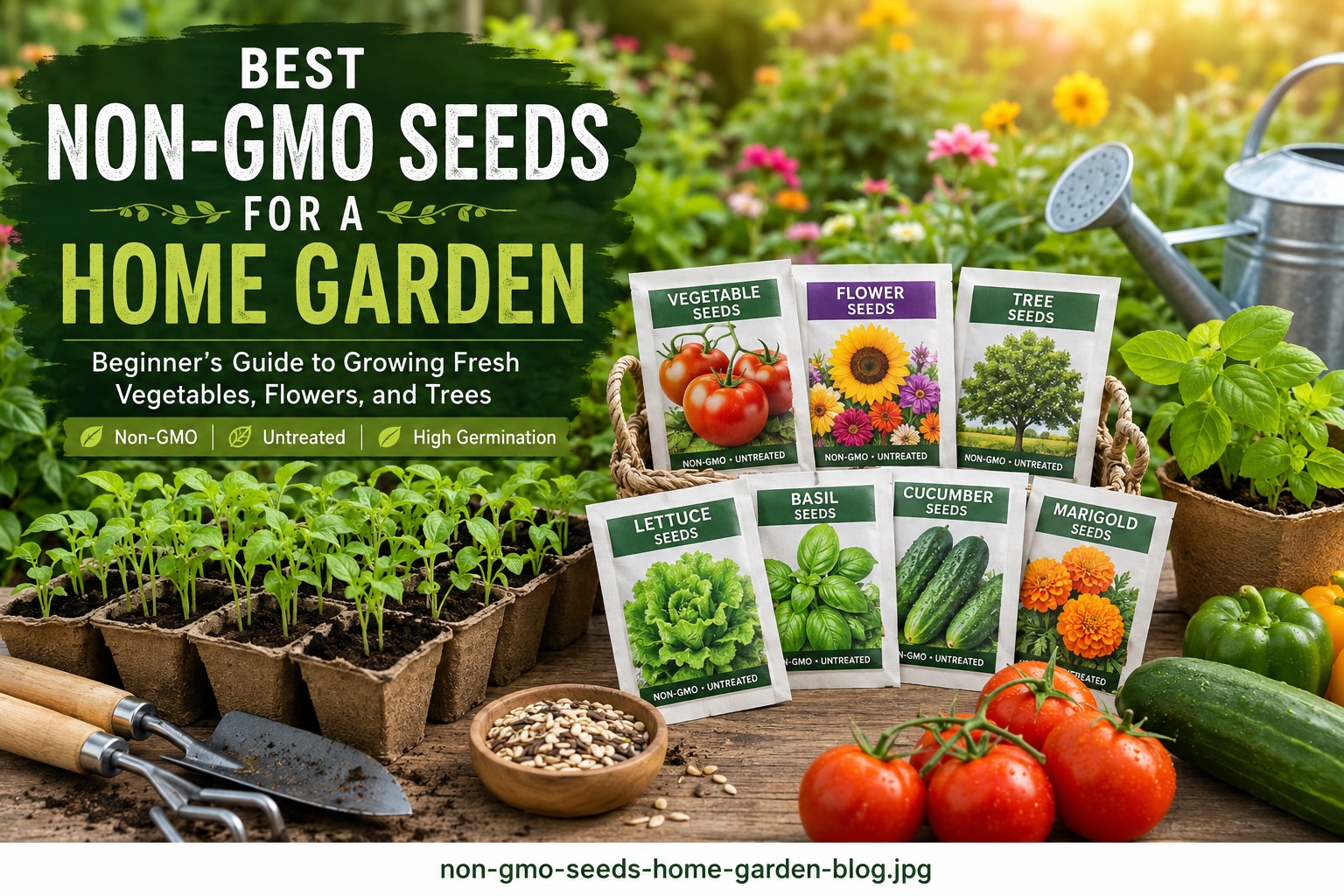
Best Non-GMO Seeds for a Home Garden: Beginner’s Guide to Growing Fresh Vegetables, Flowers, and Trees
May
Starting a home garden is one of the most rewarding ways to enjoy fresh food, beautiful flowers, and a greener outdoor space. But before you prepare your soil or water your first seed tray, the most important decision is choosing the right seeds.
For many gardeners, non-GMO seeds are the preferred choice because they support natural growing, seed saving, biodiversity, and healthier gardening practices. Whether you want to grow vegetables, flowers, herbs, or trees, selecting high-quality, untreated seeds can make a big difference in your garden’s success.
At Urban Garden Seed, we provide carefully selected non-GMO, untreated seeds for home gardeners who want dependable germination, strong plant growth, and beautiful results.
What Are Non-GMO Seeds?
Non-GMO seeds are seeds that have not been genetically modified in a laboratory. They come from plants grown through natural pollination, traditional breeding, or heirloom seed preservation.
For home gardeners, non-GMO seeds are a practical choice because they allow you to grow plants in a more natural way. Many non-GMO varieties are also open-pollinated or heirloom, meaning they may produce seeds you can save and replant in future growing seasons.
Why Choose Non-GMO Seeds for Your Home Garden?
Choosing non-GMO seeds gives you more control over what you grow and how you grow it. Here are the main benefits:
1. You Know What You Are Planting
When you choose non-GMO seeds, you are starting your garden with seeds that have not been genetically engineered. This is especially important for gardeners who want a more natural and transparent growing process.
2. Better for Seed Saving
Many heirloom and open-pollinated non-GMO seeds can be saved after harvest. This allows gardeners to continue growing their favorite varieties year after year.
3. Great for Organic-Style Gardening
Non-GMO, untreated seeds are ideal for gardeners who prefer natural gardening methods. They work well with compost, organic fertilizers, companion planting, and chemical-free growing practices.
4. More Variety
Non-GMO seed collections often include unique vegetable, flower, herb, and tree varieties that are not commonly found in regular garden centers.
5. Supports Biodiversity
Growing different non-GMO varieties helps preserve plant diversity. This is especially valuable for gardeners who want to grow more than just standard commercial crops.
Best Non-GMO Vegetable Seeds for Beginners
Vegetables are usually the first choice for new gardeners because they provide fresh, edible harvests. The best beginner-friendly vegetables are easy to germinate, fast-growing, and useful in everyday cooking.
Tomato Seeds
Tomatoes are one of the most popular home garden crops. They grow well in containers, raised beds, and backyard gardens. Choose tomato varieties based on your space: cherry tomatoes are excellent for beginners, while larger slicing tomatoes are great for sandwiches and salads.
Best for: Containers, raised beds, backyard gardens
Growing tip: Give tomatoes full sun and consistent watering.
Lettuce Seeds
Lettuce is fast-growing and ideal for small gardens. It can be grown in pots, trays, or garden beds. Many gardeners enjoy growing lettuce because it can be harvested multiple times.
Best for: Beginners, small spaces, container gardens
Growing tip: Plant lettuce in cooler weather or partial shade in hot climates.
Pepper Seeds
Peppers are productive, colorful, and useful in many dishes. Sweet peppers and chili peppers both grow well in home gardens with enough sunlight.
Best for: Sunny gardens and container growing
Growing tip: Start pepper seeds early because they can take longer to germinate.
Cucumber Seeds
Cucumbers are fast-growing and high-yielding. They are excellent for fresh eating, salads, and pickling.
Best for: Trellises, backyard gardens, raised beds
Growing tip: Use a trellis to save space and keep fruits clean.
Basil Seeds
Basil is technically an herb, but it is one of the best seeds for beginners. It grows quickly and pairs perfectly with tomatoes, salads, pasta, and homemade sauces.
Best for: Pots, windowsills, herb gardens
Growing tip: Pinch off flower buds to encourage more leaf growth.
Best Non-GMO Flower Seeds for a Beautiful Garden
Flowers make a garden more colorful and inviting. They also attract pollinators like bees and butterflies, which can help improve vegetable production.
Sunflower Seeds
Sunflowers are easy to grow, cheerful, and excellent for beginners. They grow quickly and can become a beautiful focal point in any garden.
Best for: Backyard gardens, borders, pollinator gardens
Growing tip: Plant sunflowers where they can receive full sun.
Marigold Seeds
Marigolds are popular companion plants because they are bright, hardy, and useful around vegetable gardens.
Best for: Garden borders, vegetable gardens, containers
Growing tip: Plant marigolds near tomatoes, peppers, and leafy greens.
Zinnia Seeds
Zinnias produce colorful blooms and are loved by butterflies. They are also easy to grow from seed.
Best for: Cut flowers, pollinator gardens, sunny beds
Growing tip: Remove old flowers to encourage new blooms.
Cosmos Seeds
Cosmos are low-maintenance flowers that grow well in warm weather. They add a soft, natural look to the garden.
Best for: Wildflower gardens, borders, pollinator areas
Growing tip: Avoid over-fertilizing, or plants may produce more leaves than flowers.
Best Tree Seeds for Long-Term Growing
Tree seeds are ideal for patient gardeners who want to grow something lasting. Trees can provide shade, beauty, fruit, or ornamental value depending on the variety.
When growing tree seeds, remember that some varieties need special preparation before germination, such as soaking, scarification, or cold stratification.
Fruit Tree Seeds
Fruit trees can be rewarding, but they require patience. Some fruit trees grown from seed may take several years to produce fruit.
Best for: Long-term gardeners and homesteads
Growing tip: Research whether the tree variety needs cold stratification before planting.
Ornamental Tree Seeds
Ornamental trees add beauty and structure to landscapes. They are a good choice for gardeners who want shade, flowers, or unique foliage.
Best for: Landscaping and long-term garden design
Growing tip: Start seeds in nursery pots before transplanting outdoors.
Native or Climate-Suitable Tree Seeds
Choosing tree seeds suited to your climate increases your chance of success. Always check whether the tree can thrive in your growing zone.
Best for: Sustainable gardens and local landscapes
Growing tip: Match the tree variety to your USDA growing zone or local climate.
How to Choose the Best Seeds for Your Garden
Before buying seeds, consider these important factors:
1. Your Climate
Not every seed grows well in every location. Check your growing zone, local temperature, and rainy season before planting.
2. Your Space
Small spaces are perfect for herbs, lettuce, peppers, cherry tomatoes, and flowers in containers. Larger gardens can support cucumbers, melons, corn, and trees.
3. Sunlight
Most vegetables need at least 6 hours of sunlight daily. Leafy greens can tolerate partial shade, while tomatoes, peppers, cucumbers, and sunflowers prefer full sun.
4. Germination Time
Some seeds sprout quickly, while others take longer. Lettuce, basil, and cucumbers usually germinate faster than peppers, tree seeds, and some flowers.
5. Seed Quality
High-quality seeds give you a better chance of strong germination and healthy plants. Look for seeds that are fresh, properly stored, non-GMO, and untreated.
How to Start Seeds Successfully
Starting seeds is simple when you follow the right steps.
Step 1: Use a Good Seed Starting Mix
A light, well-draining seed starting mix helps young roots grow properly. Avoid heavy garden soil for seed trays because it can compact and hold too much moisture.
Step 2: Plant at the Correct Depth
A common rule is to plant seeds about twice as deep as the seed’s size. Very tiny seeds may only need to be pressed lightly onto the soil surface.
Step 3: Keep Soil Moist but Not Soaked
Seeds need moisture to germinate, but too much water can cause rot. Use a spray bottle or gentle watering method.
Step 4: Provide Warmth
Many vegetable and flower seeds germinate faster in warm conditions. Peppers, tomatoes, and basil especially prefer warmth.
Step 5: Give Seedlings Enough Light
Once seeds sprout, they need strong light. Without enough light, seedlings may become tall, weak, and leggy.
Step 6: Transplant Carefully
Move seedlings outdoors only after they are strong enough and the weather is suitable. Harden them off by gradually exposing them to outdoor conditions.
Common Seed Starting Mistakes to Avoid
Even experienced gardeners make mistakes. Here are the most common ones:
Planting Too Deep
Seeds planted too deep may struggle to reach the surface. Always check the recommended planting depth.
Overwatering
Too much water can cause fungal problems and seed rot. Keep the soil evenly moist, not muddy.
Not Enough Light
Seedlings need strong light after germination. Place them near a bright window or use grow lights if needed.
Using Old or Poorly Stored Seeds
Old seeds may have lower germination rates. Store seeds in a cool, dry place and buy from a reliable seed supplier.
Transplanting Too Early
Young seedlings can suffer from shock if moved outdoors too soon. Wait until they are strong and the outdoor temperature is safe.
Why Buy Seeds from Urban Garden Seed?
Urban Garden Seed is focused on helping gardeners grow successfully from the very beginning. We offer a wide selection of flower seeds, vegetable seeds, and tree seeds sourced from trusted growers around the world.
Our seeds are selected for quality, reliability, and strong garden performance. We are proud to offer non-GMO, untreated seeds for gardeners who want to grow naturally and confidently.
Whether you are starting your first container garden or expanding a backyard food garden, Urban Garden Seed gives you access to high-quality seed varieties for every growing goal.
Frequently Asked Questions About Non-GMO Seeds
Are non-GMO seeds the same as organic seeds?
Not always. Non-GMO means the seed has not been genetically modified. Organic seeds must be produced according to organic farming standards. A seed can be non-GMO without being certified organic.
Are untreated seeds better for home gardening?
Untreated seeds are a good choice for gardeners who prefer to avoid chemical seed coatings. They are especially popular with natural and organic-style gardeners.
What are the easiest seeds to grow for beginners?
Some of the easiest seeds include lettuce, basil, marigold, zinnia, sunflower, cucumber, and cherry tomato.
Can I save seeds from non-GMO plants?
In many cases, yes. Open-pollinated and heirloom non-GMO plants are often suitable for seed saving. Hybrid seeds may not grow true to type when replanted.
How long do seeds last?
Seed lifespan depends on the plant variety and storage conditions. Most seeds last longer when stored in a cool, dry, dark place.
When is the best time to plant seeds?
The best planting time depends on your location and the type of seed. Cool-season crops like lettuce grow best in mild weather, while warm-season crops like tomatoes, peppers, and cucumbers prefer warmer temperatures.
Final Thoughts
Choosing the best non-GMO seeds for your home garden is the first step toward a successful growing season. Whether you want fresh vegetables, colorful flowers, fragrant herbs, or long-term tree growth, high-quality seeds give your garden a stronger start.
At Urban Garden Seed, we make it easy to find reliable, untreated, non-GMO seeds for every type of gardener. Start small, choose varieties suited to your climate, and enjoy the satisfaction of growing something from seed to harvest.
Ready to grow your garden? Explore Urban Garden Seed’s collection of non-GMO vegetable seeds, flower seeds, and tree seeds today.
