
Cactus & Succulent, Family & Kids' Gardening, Flower Seeds, Herb Seeds, Sensory & Wellness Gardening, Sustainable & Regenerative Living, The Horticulturist’s Lab, Urban & Small-Space Gardening, Vegetables
Micro Gardening 101: How to Grow Massive Harvests in Tiny Spaces
May
Micro gardening, small space vegetable gardening, grow food in apartments, high-germination container seeds, patio vegetable garden.
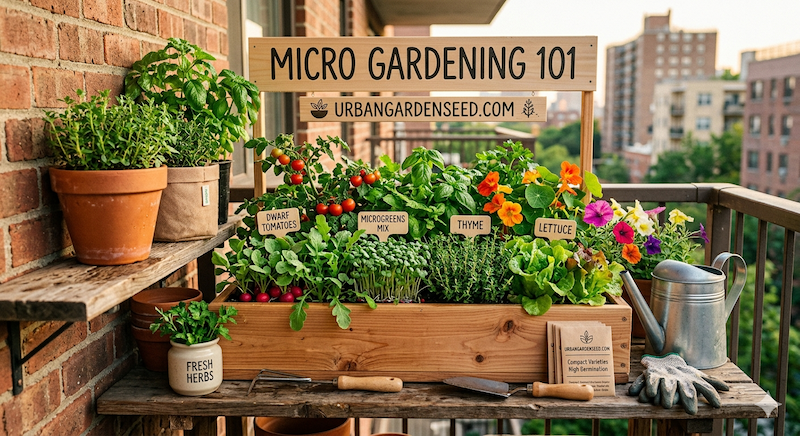
No backyard? No problem. One of the biggest trends taking over the gardening world right now is micro gardening—the art of cultivating nutrient-dense vegetables, herbs, and flowers in compact spaces like balconies, windowsills, and small patios.
If you think you need acres of land to grow your own food, think again. With the right setup and high-germination seeds specifically chosen for container life, you can turn a tiny corner of your home into a high-yielding mini homestead.
Here is everything you need to know to get started with small-space vegetable gardening.
Why Micro Gardening is the Perfect Weekend Project
Micro gardening isn’t just a space-saver; it’s an incredibly efficient way to grow. Because you are managing a smaller footprint, you have ultimate control over soil quality, moisture, and pests.
Quick Facts: The Power of Small-Space Growing
- Nutrient Density: Microgreens and sprouted greens can contain up to 40 times more vitamins and nutrients than their fully mature counterparts.
- Lightning-Fast Harvests: Fast-growing container crops like radishes and micro-greens can be harvested in as little as 14 to 21 days from sowing.
- 100% Non-GMO Control: When you plant your own seeds, you control exactly what goes into your food—no synthetic pesticides or hidden chemicals required.
4 Steps to Build a Thriving Small-Space Garden
To maximize your yield when space is limited, order matters. Follow this exact roadmap to prevent root rot and ensure your seedlings get the best start possible.
1.Select Your Compact Containers:Step 1.
Look for pots that maximize vertical depth rather than horizontal width. Fabric grow bags, window planter boxes, and railing planters are perfect for small spaces. Ensure every container has adequate drainage holes.
2.Choose High-Germination, Compact Seed Varieties:Step 2.
In a micro garden, space is premium, so every seed needs to count. Pick high-germination, non-GMO seeds optimized for small spaces. Dwarf varieties of tomatoes, creeping thyme for ground cover, and quick-harvest microgreens give you the highest success rates.
3.Master the Soil Blend:Step 3.
Never use standard backyard dirt in a container—it packs down too tightly and suffocates roots. Instead, use a lightweight potting mix blended with perlite or coconut coir to ensure excellent drainage and oxygen flow.
4.Position for Maximum Sunlight:Step 4.
Most edible plants need at least 6 hours of direct sunlight. Place your pots on a south-facing balcony or windowsill. If your space is naturally shady, don’t worry—stick to shade-tolerant greens like spinach, lettuce, and herbs.
The Best Varieties for Tiny Footprints
Not all plants enjoy container life. If you try to plant a massive, sprawling heirloom pumpkin on an apartment balcony, you’re going to run into trouble. Instead, focus on high-yield, compact champions:
- Salad Greens & Microgreens: Lettuce, spinach, and arugula grow shallow roots, making them perfect for shallow windowsill trays.
- Dwarf Flowers: Varieties like dwarf geraniums or chrysanthemums add vibrant color to small spaces and attract vital urban pollinators to your patio.
- Root Vegetables: Fast-growing radishes can be sown densely in small planter boxes and are ready to eat in under a month.
Pro Tip for Success: When space is tight, water evaporation happens faster. Check your container soil daily by pushing your finger an inch deep. If it feels dry, it’s time for a drink!
