
Adenium, Backyard Gardening, Cactus & Succulent, Family & Kids' Gardening, Flower Seeds, Garden Planning & Design, Herb Seeds, Homesteading & Self-Reliance, Sensory & Wellness Gardening, Sustainable & Regenerative Living, The Horticulturist’s Lab, Urban & Small-Space Gardening, Vegetables
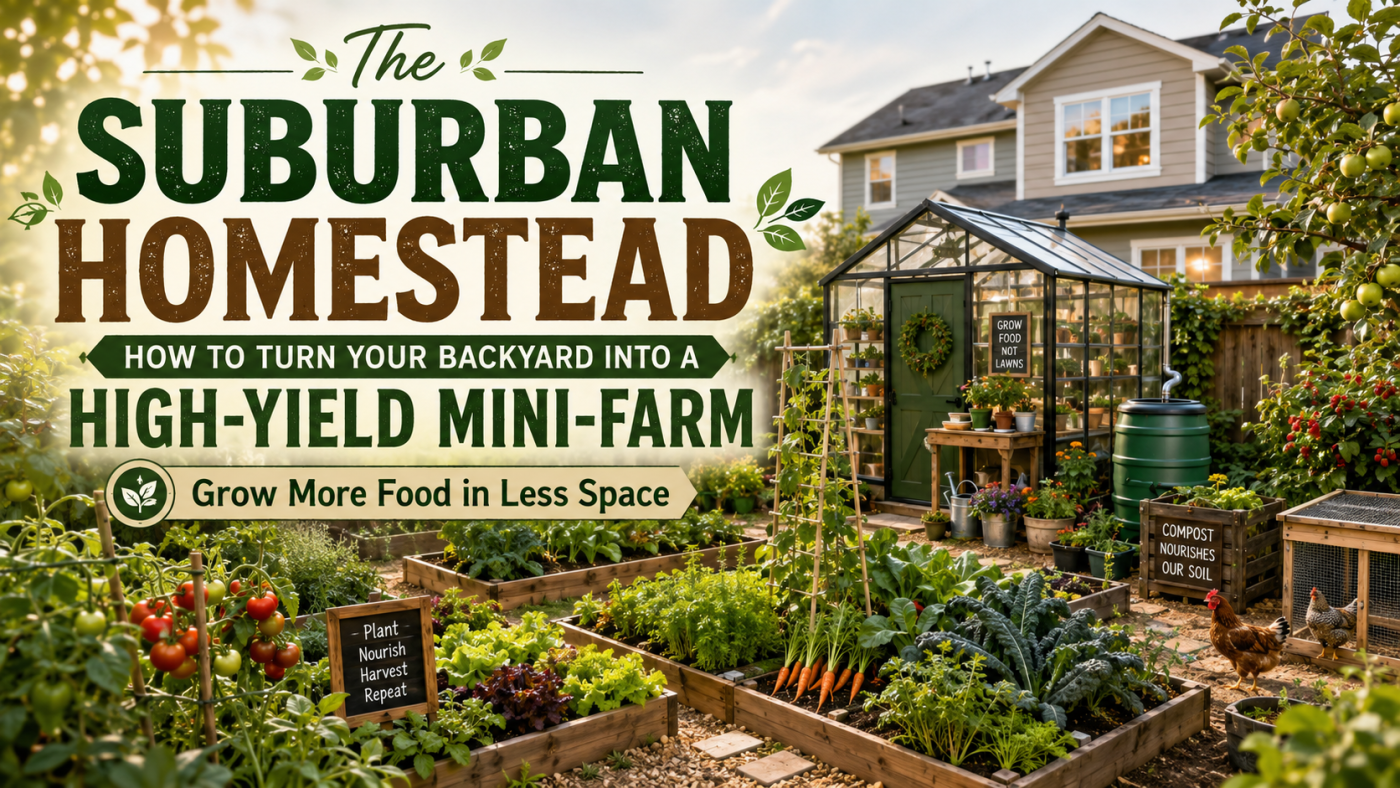
The Suburban Homestead: How to Turn Your Backyard into a High-Yield Mini-Farm
Aug
Stop mowing your lawn and start growing your grocery aisle. Learn how to transform your suburban backyard into a high-yield mini-farm with premium seeds from UrbanGardenSeed.com.
For decades, the ultimate symbol of the suburban dream was a perfectly manicured, bright green lawn. But today, a massive shift is taking place across neighborhoods and rural outskirts. Faced with rising grocery costs and a desire for true self-reliance, homeowners are trading their riding mowers for raised beds and turning their standard backyards into highly productive “micro-farms.”
Suburban and semi-rural yards are actually the perfect environments for growing massive amounts of food. You have more square footage and direct sunlight than a city balcony, but your space is still manageable enough to avoid the heavy machinery required for large-scale rural farming.
If you are ready to transform your grass into a grocery store, here is the ultimate guide to starting your suburban homestead this season.
The “Lawn to Food” Strategy: Raised Beds vs. In-Ground
When converting a backyard, your first major decision is how to build your growing area.
| Method | Best For | Pros & Cons |
|---|---|---|
| Raised Garden Beds | Suburbs with poor or clay-heavy soil, or yards with HOA restrictions. | Pros: Total control over soil quality, excellent drainage, fewer weeds. Cons: Higher upfront cost for lumber and soil. |
| In-Ground Tilling | Larger suburban lots and rural properties with decent existing topsoil. | Pros: Extremely cost-effective; maximizes large open spaces. Cons: Requires heavy tilling, more vulnerable to ground pests and weeds. |
The 2026 Homesteading Hack: If you want the best of both worlds, try the “Sheet Mulching” (or Lasagna Gardening) method. Simply lay thick cardboard directly over your grass, cover it with a thick layer of compost and topsoil, and plant directly into it. The grass dies naturally, feeding the soil beneath it without requiring you to break your back digging up sod!
5 Essential Crops for the Suburban Micro-Farm
When you have a quarter-acre or more to work with, you can graduate from small container varieties to large, heavy-producing staple crops. To get the most caloric and nutritional value out of your backyard, focus on these heavy hitters:
1. Heirloom Indeterminate Tomatoes
Unlike compact patio tomatoes, indeterminate heirlooms will grow massive vines (often 6 to 8 feet tall) and produce fruit continuously until the first frost.
- The Strategy: Build a sturdy cattle-panel trellis or heavy-duty wire cages. A single row of well-supported indeterminate tomatoes can yield enough fruit to can and preserve pasta sauce for the entire winter.
2. Vining Winter Squash and Pumpkins
These space-hungry plants are perfect for replacing large sections of unused lawn.
- The Strategy: Varieties like Butternut, Acorn, and Spaghetti squash are incredibly calorie-dense and have a massive advantage: they cure easily and can sit in a cool pantry or basement for up to 6 months without rotting or requiring canning equipment.
3. High-Yield Root Crops (Carrots and Potatoes)
Root vegetables thrive in the loose, deep soil of raised backyard beds.
- The Strategy: Dedicate an entire raised bed to deep-rooting carrots and beets, or use the “hilling” method in ground rows for potatoes. These crops provide the heavy carbohydrates necessary to truly offset your family’s grocery bill.
4. Heavy-Producing Pole Beans
Bush beans are great for small spaces, but if you have a backyard fence or room for a tall trellis, pole beans are the ultimate suburban crop.
- The Strategy: They grow vertically, saving valuable ground space, and a single 10-foot row can produce continuous handfuls of crisp green beans every few days from mid-summer through early fall.
5. Zucchini and Summer Squash
There is a running joke in gardening communities that if you plant too much zucchini, you’ll have to start leaving it on your neighbors’ porches in the middle of the night.
- The Strategy: They require a footprint of about 3×3 feet per plant, making them ideal for the corners of raised beds or open backyard plots. Just two or three plants will easily feed a family of four all summer.
Maximize Your Space with Vertical Trellising
The biggest mistake new backyard homesteaders make is letting vining plants sprawl across the ground. This invites pests, promotes mildew, and wastes valuable real estate.
Utilize your existing suburban infrastructure. Chain-link fences, deck railings, and simple A-frame trellises made from bamboo can support heavy crops like cucumbers, small melons, and beans. By forcing your garden to grow up, you leave the ground space open for leafy greens and root vegetables.
The Foundation of a Great Harvest is Great Seed
Turning your backyard into a reliable food source is one of the most rewarding projects you can undertake. However, all the compost, trellising, and hard work in the world won’t matter if you start with poor genetics. To ensure a massive harvest, you need fresh, non-GMO, high-germination seeds.
At UrbanGardenSeed.com, we don’t just cater to city dwellers. Our extensive catalog includes robust, heavy-producing heirloom varieties perfectly suited for sprawling suburban raised beds and rural homestead plots.
Click here to shop our premium vegetable seed collections at UrbanGardenSeed.com and start planting your backyard grocery store today!
