
Adenium, Cactus & Succulent, Family & Kids' Gardening, Flower Seeds, Herb Seeds, Sensory & Wellness Gardening, Sustainable & Regenerative Living, The Horticulturist’s Lab, Urban & Small-Space Gardening, Vegetables
Best Non-GMO Garden Seeds to Buy Online: A Complete Guide for Home Gardeners
Jun
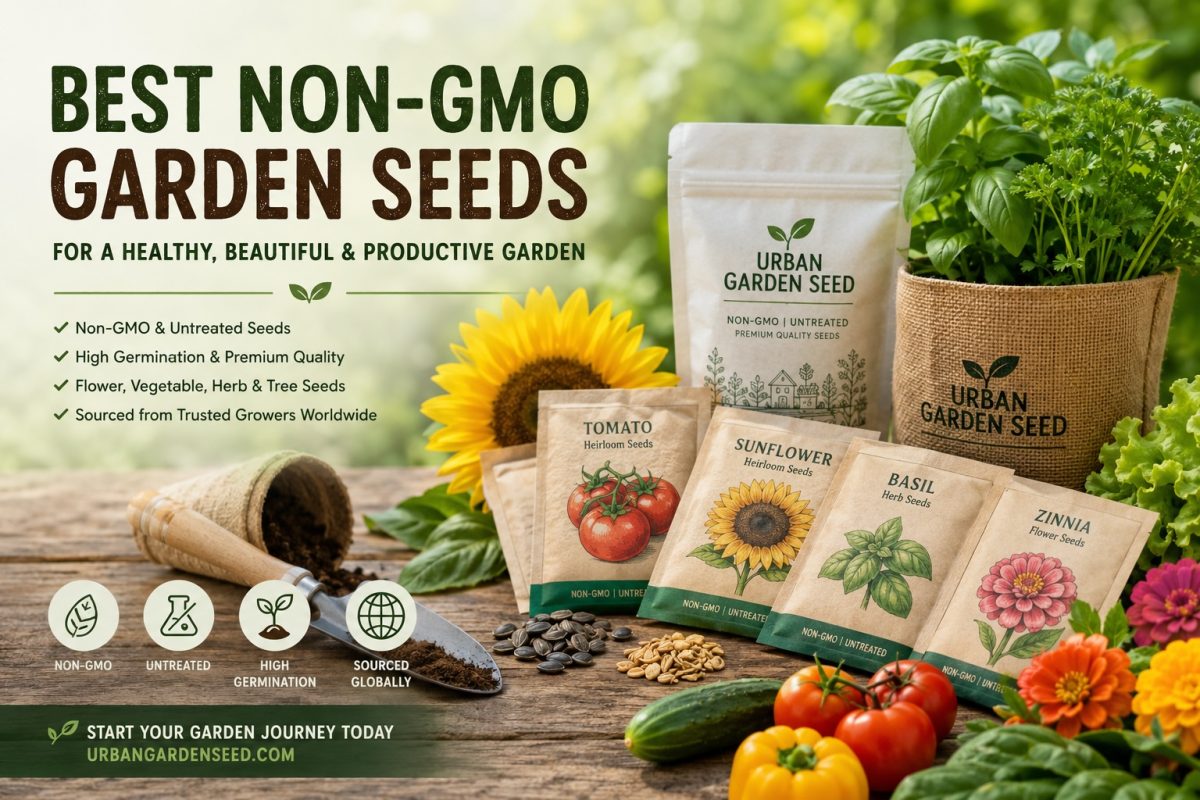
Shop high-quality Non-GMO, untreated flower, vegetable, and tree seeds at Urban Garden Seed. Learn how to choose the best seeds for your home garden.
Start Your Garden with Seeds You Can Trust
A successful garden begins long before the first sprout appears. It starts with the quality of the seeds you choose.
At Urban Garden Seed, we help home gardeners, hobby growers, and plant lovers grow with confidence by offering carefully selected Non-GMO, untreated flower seeds, vegetable seeds, and tree seeds from trusted sources around the world.
Whether you are planting a backyard vegetable garden, starting a balcony herb collection, growing flowers for pollinators, or adding trees to your landscape, choosing the right seed supplier matters.
Our goal is simple: to help you grow stronger plants, better harvests, and a more beautiful garden from the very beginning.
[Shop Non-GMO Seeds at UrbanGardenSeed.com]
Why Seed Quality Matters
Not all seeds are equal.
Low-quality seeds can lead to poor germination, weak seedlings, uneven growth, and wasted planting time. Good seeds give your garden a stronger start.
When buying seeds online, look for these important qualities:
- Non-GMO seeds
- Untreated seeds
- High germination potential
- Clear planting information
- Trusted sourcing
- Varieties suited for real home gardeners
A seed packet should help you understand what you are planting, when to plant it, how deep to sow it, and how much space the plant needs. Extension gardening resources emphasize that seed packet details help gardeners match plants to their growing space, planting goals, and conditions.
What Does Non-GMO Mean for Garden Seeds?
Non-GMO seeds are seeds that have not been genetically modified through laboratory genetic engineering.
For many home gardeners, Non-GMO seeds are preferred because they support natural gardening, seed diversity, and traditional growing practices. They are especially popular among gardeners who want to grow vegetables, herbs, flowers, and trees in a more natural and sustainable way.
At Urban Garden Seed, we focus on Non-GMO and untreated seeds so customers can plant with confidence.
Heirloom, Open-Pollinated, Hybrid, and Organic Seeds: What Is the Difference?
When shopping for seeds online, you may see terms like heirloom, open-pollinated, hybrid, organic, and Non-GMO. Here is a simple guide.
Heirloom Seeds
Heirloom seeds are traditional varieties often passed down for many years. Many heirlooms are open-pollinated, meaning they can produce seeds that grow plants similar to the parent plant when properly isolated. University of Illinois Extension notes that heirloom seeds are usually open-pollinated and are commonly described as varieties passed from gardener to gardener for more than 50 years.
Open-Pollinated Seeds
Open-pollinated seeds are pollinated naturally by insects, wind, birds, or self-pollination. These are often preferred by gardeners interested in seed saving.
Hybrid Seeds
Hybrid seeds are created by crossing two selected parent plants. They can offer strong performance, uniformity, or disease resistance, but saved seeds may not grow true to type.
Organic Seeds
Organic seeds are produced under organic growing standards. Important note: heirloom does not automatically mean organic. If organic certification matters to you, look specifically for organic labeling.
Untreated Seeds
Untreated seeds have not been coated with chemical treatments. Many natural and home gardeners prefer untreated seeds because they want a cleaner, more transparent growing process.
What Seeds Should You Buy for a Home Garden?
The best seeds depend on your space, climate, and purpose. Here are practical categories to consider.
1. Vegetable Seeds for Fresh Home Harvests
Vegetable seeds are one of the best investments for any home gardener. A single packet can produce many plants and many harvests.
Popular vegetable seeds include:
- Tomato seeds
- Pepper seeds
- Lettuce seeds
- Cucumber seeds
- Eggplant seeds
- Okra seeds
- Squash seeds
- Radish seeds
- Carrot seeds
- Cabbage seeds
- Kale seeds
- Onion seeds
Vegetable seeds are ideal for gardeners who want fresher food, better flavor, and more control over how their food is grown.
Best for: backyard gardens, raised beds, containers, homesteads, and urban gardens.
[Shop Vegetable Seeds]
2. Flower Seeds for Beauty and Pollinators
Flower seeds are perfect for adding color, fragrance, and life to your garden. They also help support pollinators such as bees, butterflies, and beneficial insects.
Popular flower seeds include:
- Sunflower seeds
- Zinnia seeds
- Marigold seeds
- Cosmos seeds
- Lavender seeds
- Daisy seeds
- Petunia seeds
- Celosia seeds
- Snapdragon seeds
Flower seeds are great for borders, pots, walkways, pollinator gardens, and cut flower arrangements.
Best for: ornamental gardens, balconies, landscaping, pollinator gardens, and flower beds.
[Shop Flower Seeds]
3. Herb Seeds for Kitchen Gardening
Herbs are some of the easiest and most rewarding plants to grow from seed. They are useful, fragrant, and perfect for small spaces.
Popular herb seeds include:
- Basil seeds
- Parsley seeds
- Cilantro seeds
- Dill seeds
- Oregano seeds
- Thyme seeds
- Mint seeds
- Chives seeds
Herbs are ideal for container gardening and kitchen gardens because they do not require a large growing space.
Best for: pots, balconies, windowsills, raised beds, and culinary gardens.
[Shop Herb Seeds]
4. Tree Seeds for Long-Term Growing
Tree seeds are for gardeners who enjoy long-term projects and want to grow something meaningful from the very beginning.
Tree seeds may require more patience than vegetables or flowers, but they can be deeply rewarding. Some tree seeds may need special germination treatments such as soaking, scarification, or cold stratification. USDA Natural Resources Conservation Service guidance notes that some seeds require scarification or stratification before planting.
Best for: collectors, landscape growers, bonsai enthusiasts, reforestation projects, and long-term gardeners.
[Shop Tree Seeds]
How to Choose the Best Seeds Online
Buying seeds online gives you access to more varieties than most local garden stores. But you should choose carefully.
Check the Seed Type
Decide whether you want vegetable, flower, herb, or tree seeds. Then choose varieties that fit your space and climate.
Read the Planting Instructions
Look for planting depth, spacing, days to germination, light needs, and days to maturity. Virginia Tech Extension notes that seed depth varies by seed type, and some seeds require light for germination and should not be covered.
Consider Your Growing Space
For small gardens, choose compact vegetables, herbs, dwarf varieties, and flowers that grow well in containers.
For larger gardens, choose productive vegetables, pollinator flowers, and trees suited to your long-term goals.
Think About Your Climate
Some plants love heat. Others prefer cooler weather. The right seed planted at the wrong time may struggle, even if the seed is high quality.
Buy from a Trusted Seed Supplier
Choose a supplier that is clear about seed quality, sourcing, and customer satisfaction.
At Urban Garden Seed, we source seeds from multiple countries including Australia, Canada, South Africa, Thailand, the Philippines, China, the Netherlands, the United Kingdom, and Taiwan to offer diverse and high-quality varieties for gardeners.
How to Improve Seed Germination
Even the best seeds need the right conditions to grow.
Follow these tips for better germination:
1. Use Fresh, Quality Seeds
Seed viability naturally declines over time. Iowa State University Extension explains that germination rates of 90% or more are very good for most species, while rates around 70% to 80% may still be acceptable for some species.
2. Use Clean Seed-Starting Mix
Avoid heavy garden soil for indoor seed starting. A light seed-starting mix helps roots grow properly and improves drainage.
3. Plant at the Correct Depth
A common mistake is planting seeds too deep. Many small seeds need only light coverage, and some should not be covered at all.
4. Keep Moisture Consistent
Seeds need moisture to germinate, but too much water can cause rot. Keep the soil damp, not soaked.
5. Give Seeds the Right Temperature
Many seeds germinate better with warmth. Utah State University Extension notes that around 70°F is an acceptable germination temperature for both cool- and warm-season crops, and heat mats may help when rooms are cooler.
6. Provide Enough Light After Germination
Once seedlings emerge, they need adequate light. Weak light can cause leggy seedlings.
7. Harden Off Seedlings Before Transplanting
Seedlings started indoors should be gradually introduced to outdoor conditions before transplanting.
Best Seeds for Beginners
New gardeners should start with seeds that are generally easier to grow.
Easy Vegetable Seeds
- Lettuce
- Radish
- Okra
- Cucumber
- Beans
- Squash
- Tomato
- Basil
Easy Flower Seeds
- Sunflower
- Marigold
- Zinnia
- Cosmos
- Celosia
Easy Herb Seeds
- Basil
- Dill
- Cilantro
- Parsley
- Chives
Beginner gardeners should choose varieties with clear instructions and relatively fast germination.
[Shop Beginner-Friendly Seeds]
Why Buy from Urban Garden Seed?
Urban Garden Seed is built for gardeners who want reliable, high-quality seeds and a better buying experience.
Our Seeds Are Non-GMO
We focus on Non-GMO seeds for gardeners who want natural, trusted seed options.
Our Seeds Are Untreated
Our untreated seeds are ideal for customers who prefer a cleaner and more transparent gardening process.
We Offer Many Seed Categories
You can shop:
- Flower seeds
- Vegetable seeds
- Herb seeds
- Tree seeds
We Source Globally
We import and source seeds from respected growing regions around the world to offer strong variety and quality.
We Support Home Gardeners
Our goal is not only to sell seeds, but to help you succeed. We want your seeds to germinate, grow, and become plants you are proud of.
We Offer a 30-Day Satisfaction Guarantee
Urban Garden Seed supports customers with a 30-Day Satisfaction Guarantee, giving gardeners more confidence when ordering online.
Frequently Asked Questions About Buying Seeds Online
Are Non-GMO seeds better for home gardens?
Non-GMO seeds are preferred by many home gardeners because they are not genetically modified through laboratory engineering. They are a strong choice for natural gardening, heirloom gardening, and seed diversity.
Are heirloom seeds the same as Non-GMO seeds?
Not exactly. Heirloom seeds are traditional varieties, while Non-GMO means the seed was not genetically modified. Many heirloom seeds are Non-GMO, but the terms do not mean the same thing.
Are untreated seeds good?
Yes. Untreated seeds are a good choice for gardeners who want seeds without chemical coatings.
What seeds should beginners buy first?
Beginners can start with easy seeds like lettuce, basil, radish, cucumber, sunflower, marigold, and zinnia.
Can I grow vegetables from seeds in containers?
Yes. Many vegetables grow well in containers, especially lettuce, herbs, peppers, tomatoes, radishes, and compact varieties.
How long do seeds last?
Seed lifespan depends on the plant type and storage conditions. Store seeds in a cool, dry, dark place. If you are unsure, you can perform a simple germination test before planting. Iowa State University Extension recommends using germination rate as a practical guide when deciding whether older seeds are still worth sowing.
Why are my seeds not germinating?
Common reasons include old seeds, planting too deep, too much water, not enough moisture, wrong temperature, poor soil, or lack of light for seeds that need light to germinate.
Start Growing with Urban Garden Seed
Your garden deserves a strong start.
Whether you want fresh vegetables, beautiful flowers, useful herbs, or long-term tree-growing projects, Urban Garden Seed offers high-quality Non-GMO, untreated seeds for gardeners who care about what they plant.
Start your next garden today with seeds selected for quality, diversity, and growing success.
Shop now at UrbanGardenSeed.com
