
Adenium, Cactus & Succulent, Family & Kids' Gardening, Herb Seeds, Sensory & Wellness Gardening, Sustainable & Regenerative Living, The Horticulturist’s Lab, Urban & Small-Space Gardening, Vegetables
Grow Your Own Food: The Best Seeds to Buy Online When Grocery and Fresh Produce Prices Are Rising
Jun
Across the United States, many families are feeling pressure from higher grocery bills, expensive fresh produce, and the rising cost of driving to stores.
A simple trip to buy vegetables, herbs, and fruits can cost more than expected. Gas prices affect the drive to the grocery store. Transportation costs affect the food supply chain. Grocery inflation affects household budgets. Fresh produce can be especially frustrating because families need it every week, but prices can change quickly.
For many households, homesteads, and small farms, one practical solution is becoming more important:
Grow more of your own food.
You do not need a large commercial farm to start. A backyard garden, raised bed, greenhouse, homestead plot, or small farm field can produce fresh vegetables, herbs, flowers, and even long-term tree crops when you begin with the right seeds.
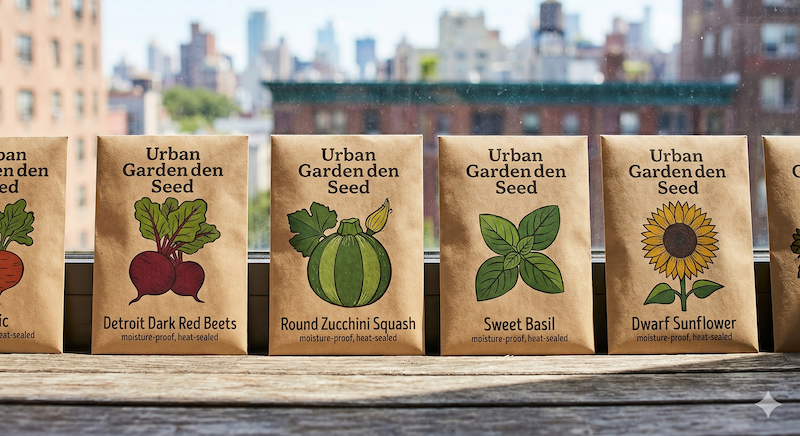
At Urban Garden Seed, we provide high-quality Non-GMO, untreated seeds for customers who want to grow more at home, on their land, or on the farm.
Our seed collections include:
Vegetable seeds
Herb seeds
Flower seeds
Tree seeds
Beginner-friendly seeds
Rare and unique seed varieties
Seeds for home gardens, homesteads, and farms
If you are tired of paying more for groceries and fresh produce, now is the time to start growing.
Shop premium Non-GMO seeds today at UrbanGardenSeed.com.
Why More Americans Are Growing Their Own Food
Growing food has always been valuable, but it becomes even more important when daily expenses rise.
Many families are facing higher costs for:
Groceries
Fresh vegetables
Fresh herbs
Fresh fruits
Gasoline
Transportation
Dining out
Farm inputs
Household essentials
When produce prices rise, families often cut back on fresh food or buy lower-quality options. But a garden gives you another choice.
Instead of depending only on the grocery store, you can grow some of your own food from seed.
A packet of seeds can produce multiple plants. Multiple plants can produce repeated harvests. For many gardeners, this makes seeds one of the most affordable ways to begin reducing dependence on expensive fresh produce.
Growing your own food does not replace every grocery item, but it can help with the foods families buy often, such as lettuce, tomatoes, peppers, cucumbers, herbs, squash, beans, and leafy greens.
Why Seeds Are a Smart Investment During Expensive Grocery Seasons
When grocery prices increase, many shoppers look for cheaper produce. But cheaper produce is not always fresher, better tasting, or available when you need it.
Seeds offer a different kind of value.
With the right care, one packet of seeds can produce many plants. Those plants can provide harvests over weeks or months.
For example:
Tomato seeds can become plants that produce many tomatoes.
Lettuce seeds can provide repeated leafy harvests.
Basil seeds can grow into plants you can harvest again and again.
Bean seeds can produce multiple rounds of pods.
Cucumber seeds can produce fresh cucumbers for salads, snacks, and pickling.
Pepper seeds can provide sweet or spicy harvests for cooking.
For households and small farms, this makes seeds a practical tool for food security, budget control, and fresh food access.
Instead of only buying produce, you can grow it.
Best Seeds to Grow at Home to Help Save on Groceries
1. Lettuce Seeds
Lettuce is one of the best crops for families who want fresh greens without paying high grocery prices every week.
Lettuce grows well in garden beds, raised beds, greenhouses, and containers. Many varieties can be harvested young or grown to full size.
Why lettuce is a smart choice:
Fast-growing
Good for repeated harvests
Useful for salads and sandwiches
Can grow in small spaces
Good for families and beginner gardeners
Growing tip:
Plant lettuce in small batches every few weeks. This helps create a longer harvest window instead of one large harvest all at once.
Shop lettuce seeds at UrbanGardenSeed.com.
2. Tomato Seeds
Tomatoes are one of the most popular crops for home gardeners and small farms.
Fresh tomatoes from the grocery store can be expensive, especially high-quality varieties. Growing tomatoes from seed gives you more control over variety, flavor, and harvest timing.
Why tomatoes are worth growing:
High household demand
Excellent for fresh eating and cooking
Can be used for sauces, salads, sandwiches, and preserving
Many varieties available
Great for home gardens and farms
Growing tip:
Choose the right tomato type for your space. Determinate tomatoes are often easier to manage, while indeterminate tomatoes can produce over a longer season with proper support.
Shop tomato seeds at UrbanGardenSeed.com.
3. Pepper Seeds
Peppers are valuable because they are used in many home-cooked meals.
Sweet peppers, hot peppers, chili peppers, and specialty peppers can all add flavor and nutrition to your kitchen.
Why peppers are a smart crop:
Useful in many recipes
Can be grown in beds, greenhouses, or containers
High value compared with many store-bought peppers
Available in sweet, spicy, and specialty types
Good for fresh cooking, drying, and preserving
Growing tip:
Peppers usually prefer warm weather. Start them early indoors if your growing season is short.
Shop pepper seeds at UrbanGardenSeed.com.
4. Cucumber Seeds
Cucumbers are productive, refreshing, and useful for families.
They are excellent for fresh eating, salads, snacks, and pickling.
Why cucumbers are worth growing:
Productive plants
Good for fresh eating
Useful for pickles
Can grow vertically to save space
Great for home gardens and small farms
Growing tip:
Use a trellis when possible. Vertical growing can improve airflow, save space, and make harvesting easier.
Shop cucumber seeds at UrbanGardenSeed.com.
5. Bean Seeds
Beans are practical for households and farms because they are productive and useful.
Bush beans are compact and easy to manage. Pole beans can produce vertically when given support.
Why beans are a strong choice:
Good yield potential
Easy to grow
Useful for fresh cooking
Can be grown in rows, beds, or garden plots
Great for family gardens and homesteads
Growing tip:
Harvest beans regularly to encourage continued production.
Shop bean seeds at UrbanGardenSeed.com.
6. Squash Seeds
Squash is a productive crop for families that have enough garden space.
Summer squash, zucchini, and other squash varieties can produce generous harvests.
Why squash is valuable:
High productivity
Useful in many recipes
Good for family meals
Can produce repeatedly
Suitable for larger gardens and farms
Growing tip:
Give squash plants enough room. Crowded plants can struggle with airflow and disease pressure.
Shop squash seeds at UrbanGardenSeed.com.
7. Herb Seeds
Fresh herbs can be expensive at grocery stores, especially when sold in small plastic packages.
Growing herbs from seed is one of the easiest ways to add flavor to meals while reducing repeated grocery purchases.
Best herbs to grow:
Basil
Parsley
Cilantro
Dill
Chives
Oregano
Thyme
Mint
Why herbs are worth growing:
Small space needed
Repeated harvests
Very useful in cooking
Good for containers, gardens, and farms
Fresh flavor compared with store-bought herbs
Growing tip:
Harvest herbs often to encourage fresh growth. For basil, pinch the stems to help the plant grow bushier.
Shop herb seeds at UrbanGardenSeed.com.
8. Leafy Green Seeds
Leafy greens are among the most useful crops for families because they can be harvested frequently.
Popular leafy greens include:
Kale
Spinach
Swiss chard
Mustard greens
Arugula
Collards
Why leafy greens are useful:
Nutritious
Good for home cooking
Can provide repeated harvests
Useful for salads, soups, stir-fries, and side dishes
Suitable for gardens, raised beds, and farms
Growing tip:
Harvest outer leaves first and allow the center of the plant to keep growing.
Shop leafy green seeds at UrbanGardenSeed.com.
9. Root Vegetable Seeds
Root crops are practical because they are filling, useful, and often store better than delicate produce.
Popular root vegetables include:
Carrots
Radishes
Beets
Turnips
Onions
Why root vegetables are valuable:
Good for home cooking
Useful in soups and stews
Some varieties store well
Can grow in rows or beds
Good for households and farms
Growing tip:
Loose soil is important for root development. Remove stones and compacted clumps before planting.
Shop root vegetable seeds at UrbanGardenSeed.com.
Best Seeds for Farms and Homesteads
If you have a farm, homestead, or larger garden plot, you can grow more than a few household vegetables.
Farm and homestead customers may want seeds for:
Market garden rows
Family food production
Farm stand produce
CSA boxes
Livestock-support gardens
Preserving and canning
Herbal products
Cut flowers
Tree planting projects
Good farm and homestead seed categories include:
Tomatoes
Peppers
Cucumbers
Beans
Squash
Melons
Leafy greens
Herbs
Flowers
Trees
For farms, seed quality matters because poor germination can waste labor, growing space, irrigation, fertilizer, and time.
Starting with quality Non-GMO, untreated seeds helps farmers and homesteaders plan with more confidence.
Shop farm and homestead seeds at UrbanGardenSeed.com.
Why Fresh Produce Is Worth Growing Yourself
Fresh produce from your own garden offers several advantages.
Better Freshness
Many grocery vegetables travel long distances before reaching the store. Homegrown produce can be harvested when you need it.
Better Flavor
Freshly picked tomatoes, herbs, lettuce, cucumbers, and peppers often taste better than produce that has spent time in storage or transportation.
More Control
When you grow your own food, you control what you plant, how you care for it, and when you harvest it.
Less Dependence on Weekly Grocery Trips
If gas prices are high, reducing unnecessary grocery trips can matter. Growing some of your own food means fewer emergency trips for herbs, greens, tomatoes, or other produce.
Better Food Security
A garden gives your household or farm another source of food. Even a small garden can provide fresh harvests during the growing season.
Non-GMO and Untreated Seeds: Why They Matter
What Are Non-GMO Seeds?
Non-GMO seeds are seeds that have not been produced through genetic engineering.
Many gardeners, families, and farmers choose Non-GMO seeds because they prefer traditionally bred varieties and want more control over what they grow.
What Are Untreated Seeds?
Untreated seeds have not been coated with chemical seed treatments.
Many customers prefer untreated seeds because they want a cleaner, more transparent starting point for their garden or farm.
Urban Garden Seed focuses on Non-GMO, untreated seeds for customers who want dependable seed options for home, farm, and homestead growing.
How to Choose Seeds When Grocery Prices Are High
When your goal is to reduce grocery pressure, choose seeds that match what your family actually eats.
Ask yourself:
What vegetables do we buy every week?
What herbs do we use often?
What produce is expensive in our area?
What crops grow well in our climate?
Do we have enough space for this plant?
Can we preserve, freeze, dry, or can the harvest?
Do we want fast crops, long-season crops, or both?
For best results, choose a mix of:
Fast-growing crops
High-yield crops
Repeated-harvest crops
Storage-friendly crops
Family favorites
A smart garden is not just about growing many plants. It is about growing the right plants.
Best Fast-Growing Seeds for Families
If you want quicker results, start with crops that usually germinate and grow quickly.
Good choices include:
Radishes
Lettuce
Arugula
Basil
Beans
Cucumbers
Dill
Cilantro
Zinnias
Marigolds
Fast-growing crops are good for beginners, families with children, and gardeners who want early success.
Shop fast-growing seeds at UrbanGardenSeed.com.
Best High-Value Crops to Grow from Seed
Some crops are especially valuable because they are often expensive at the grocery store or useful in many meals.
Consider growing:
Tomatoes
Peppers
Fresh herbs
Leafy greens
Cucumbers
Beans
Squash
Specialty flowers
Tree seedlings
Growing these crops from seed can help households and farms produce more value from a small investment.
How to Start a Food Garden at Home or on the Farm
Step 1: Choose Your Growing Area
You can grow food in:
Backyards
Farm plots
Raised beds
Greenhouses
Garden rows
Containers
Homestead gardens
Small fields
Choose a location with enough sunlight, good access to water, and soil that can be improved.
Step 2: Pick Seeds Based on Your Needs
Do not buy seeds randomly. Start with what your household or farm needs most.
Good first choices include:
Lettuce
Tomatoes
Peppers
Cucumbers
Beans
Basil
Kale
Radishes
Squash
Step 3: Prepare the Soil
Healthy soil supports healthy plants.
Add compost or organic matter when appropriate. Remove weeds. Break up compacted soil. Make sure the area drains well.
Step 4: Follow Planting Instructions
Each seed variety has different needs.
Check:
Planting depth
Spacing
Sunlight needs
Water needs
Germination time
Days to maturity
Special germination requirements
Step 5: Water Consistently
Seeds need consistent moisture to germinate. Seedlings need steady care while their roots develop.
Avoid both underwatering and overwatering.
Step 6: Thin Seedlings
Crowded seedlings compete for light, nutrients, and water.
Thin them according to recommended spacing so the strongest plants can grow properly.
Step 7: Harvest Regularly
Many crops produce better when harvested often.
This is especially true for herbs, beans, cucumbers, leafy greens, and some peppers.
Common Mistakes to Avoid
Planting Too Much at Once
A large garden can become overwhelming. Start with a manageable number of crops and expand as you gain experience.
Growing Crops Your Family Does Not Eat
If the goal is to reduce grocery pressure, plant foods your family actually uses.
Ignoring Sunlight
Most vegetables need strong sunlight to produce well. Choose crops based on your available light.
Planting Seeds Too Deep
Planting too deep is one of the most common reasons seeds fail to emerge.
Overwatering
Seeds need moisture, but soggy soil can cause problems.
Not Planning for Harvest
If you grow more than you can eat fresh, plan for freezing, drying, canning, sharing, or selling.
Why Buy Seeds from Urban Garden Seed?
Urban Garden Seed is built for gardeners, families, homesteaders, and farms that want better seed choices.
Non-GMO Seeds
We offer Non-GMO seeds for customers who prefer traditionally bred seed options.
Untreated Seeds
Our untreated seeds are selected for customers who want a transparent starting point for their garden or farm.
Vegetable, Herb, Flower, and Tree Seeds
You can shop multiple categories in one place.
Seeds Sourced Worldwide
Urban Garden Seed sources seeds from trusted growing regions around the world, including Australia, Canada, South Africa, Thailand, the Philippines, China, the Netherlands, the United Kingdom, and Taiwan.
Trusted by More Than 800,000 Gardeners
Urban Garden Seed has served a large community of growers looking for quality seeds and reliable gardening options.
30-Day Satisfaction Guarantee
Our satisfaction guarantee helps customers purchase with greater confidence.
Supporting Gardeners Since 2012
Urban Garden Seed has years of experience helping customers start and grow their gardens.
Frequently Asked Questions
Can growing my own food really help with grocery costs?
Growing your own food can help reduce some fresh produce purchases, especially for herbs, greens, tomatoes, cucumbers, beans, peppers, and other crops you use often. It will not eliminate all grocery costs, but it can become a practical part of a household food strategy.
What are the best seeds to grow when grocery prices are high?
Good choices include tomatoes, lettuce, peppers, cucumbers, beans, squash, kale, basil, parsley, cilantro, radishes, carrots, and onions.
What seeds are best for a small farm?
Small farms may benefit from tomatoes, peppers, cucumbers, beans, squash, leafy greens, herbs, cut flowers, melons, root crops, and tree seeds depending on their market and climate.
What seeds grow quickly?
Radishes, lettuce, basil, beans, cucumbers, arugula, dill, cilantro, zinnias, and marigolds are good choices for faster results.
Are Non-GMO seeds good for home food gardens?
Yes. Non-GMO seeds are popular among home gardeners, homesteaders, and farmers who prefer traditionally bred seed varieties.
Are untreated seeds good for farms and gardens?
Yes. Untreated seeds are commonly chosen by customers who want seeds without chemical coatings and prefer more control over their growing process.
Can I grow food without a large farm?
Yes. Many vegetables and herbs can be grown in backyard beds, raised beds, greenhouses, containers, or small plots.
What should beginners grow first?
Beginners can start with lettuce, radishes, beans, basil, cucumbers, tomatoes, peppers, marigolds, and zinnias.
Start Growing More of Your Own Food
When gas prices, grocery bills, and fresh produce costs are high, growing your own food becomes more than a hobby. It becomes a practical way to support your household, your farm, and your long-term food security.
A packet of seeds can become fresh lettuce, tomatoes, peppers, cucumbers, herbs, beans, flowers, or trees.
With the right seeds, good soil, sunlight, water, and care, you can grow food that is fresh, useful, and rewarding.
Urban Garden Seed offers premium Non-GMO, untreated seeds for homes, gardens, homesteads, and farms.
Grow more. Spend smarter. Eat fresher.
Shop premium seeds today at UrbanGardenSeed.com.
