
Adenium, Backyard Gardening, Cactus & Succulent, Family & Kids' Gardening, Flower Seeds, Garden Planning & Design, Herb Seeds, Homesteading & Self-Reliance, Sensory & Wellness Gardening, Sustainable & Regenerative Living, The Horticulturist’s Lab, Urban & Small-Space Gardening, Vegetables
The Ultimate Suburban & Rural Guide to Raised Bed Gardening: How to Maximize Your Harvest
Aug
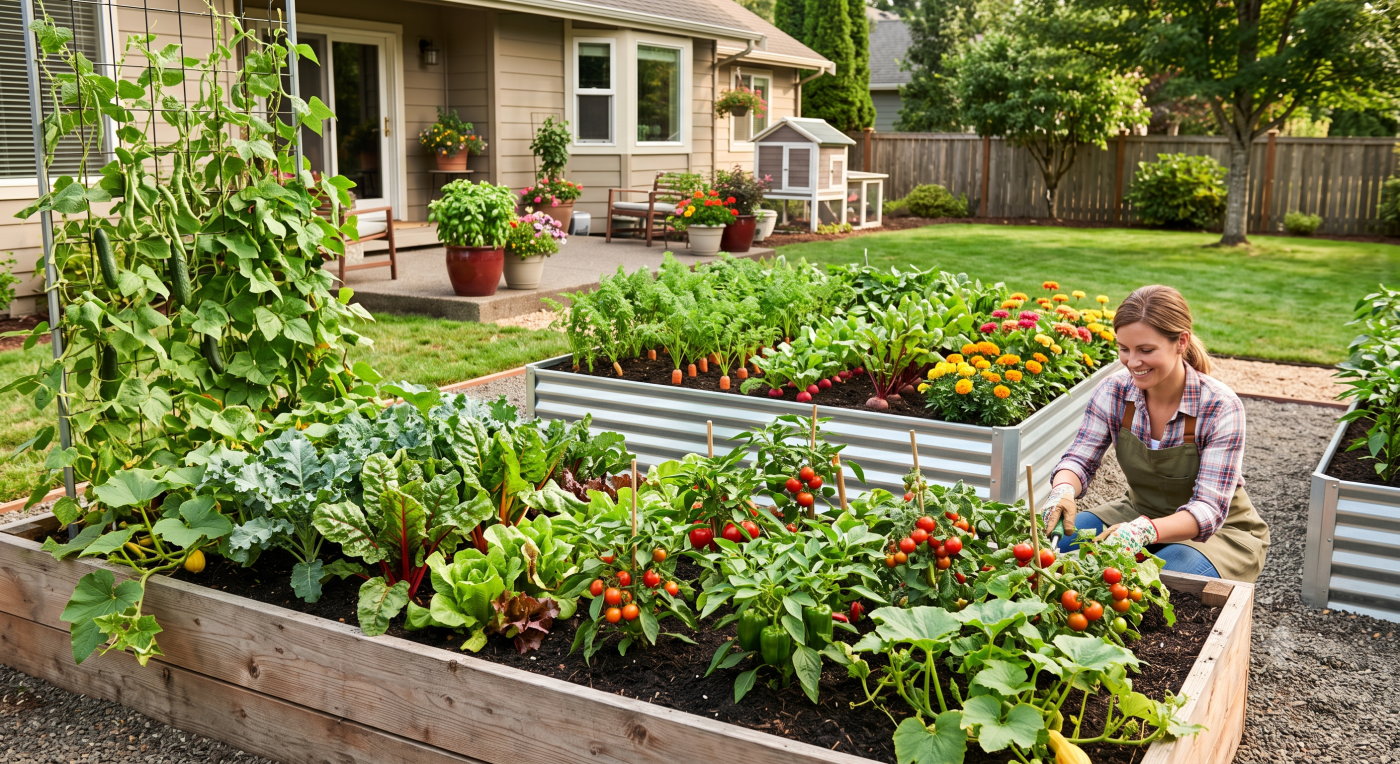
Whether you are managing a quarter-acre suburban backyard or setting up a homestead on rural acreage, raised bed vegetable gardening is one of the most efficient, high-yielding ways to grow your own organic food.
By lifting your soil off the ground, you bypass poor local dirt, gain total control over soil quality, extend your growing season, and eliminate frustrating weed invasions. If you want to transform your yard into a lush, highly productive food source, this guide walks you through planning, planting, and maximizing your yields step-by-step.
1. Choose the Optimal Location for Your Raised Beds
Location is the single most critical decision when setting up a rural or suburban garden. Vegetables require specific environmental factors to produce thick foliage and heavy fruit.
- Sunlight Exposure: Most fruiting vegetables (tomatoes, peppers, cucumbers, squash) need at least 6 to 8 hours of direct sunlight daily. Position your beds away from large tree canopies or shadow-casting fences.
- Proximity to Water: Always build your beds within easy reach of a hose or drip irrigation system. In hot summer months, carrying heavy watering cans back and forth quickly becomes a chore.
- Level Ground: Ensure the area is level so water distributes evenly across the roots rather than pooling at one end of the bed.
2. Build or Source the Right Raised Bed Frames
When selecting materials for your raised bed frames, prioritize longevity and soil safety.
| Bed Material | Average Lifespan | Best For | Considerations |
|---|---|---|---|
| Cedar / Redwood | 10–15 Years | Organic Vegetable Beds | Naturally rot-resistant and chemical-free. |
| Galvanized Steel | 20+ Years | Modern Suburban Layouts | Long-lasting and safe; does not leach harmful materials into soil. |
| Composite Lumbers | 15–20 Years | Low-Maintenance Beds | Eco-friendly and splinter-free, though higher initial cost. |
Pro Tip: Keep your beds to a maximum width of 4 feet. This allows you to reach the middle from either side without stepping into the bed and compacting the soil.
3. Fill with High-Quality “Mel’s Mix” Soil
The primary advantage of raised bed gardening is starting with perfect soil. Avoid filling your beds with standard topsoil or dirt dug straight from your yard, as it quickly compacts and hampers root development.
Instead, mix a custom blend using equal parts by volume:
- 1/3 Quality Compost (blended from multiple organic sources)
- 1/3 Peat Moss or Coco Coir (for moisture retention)
- 1/3 Perlite or Vermiculite (for soil aeration and drainage)
This lightweight, nutrient-rich mix gives seeds the ideal structure to establish strong root networks effortlessly.
4. Practice Strategic Companion Planting
Companion planting is the art of placing complementary crops together so they boost each other’s growth, deter pests, and attract beneficial pollinators.
- The “Three Sisters” Trio: Corn provides vertical support for pole beans, beans fix nitrogen into the soil, and sprawling squash leaves shade the ground to keep weeds down and soil moist.
- Tomatoes & Basil: Basil repels hornworms and thrips while improving the overall flavor profile of companion tomato plants.
- Marigolds & Root Crops: Planting marigolds around the perimeter of your raised beds deters root-knot nematodes, aphids, and unwanted garden pests while attracting bees.
5. Direct-Sow Premium Seeds for Maximum Success
Starting your garden from seed rather than expensive nursery starts gives you access to hundreds of heirloom and specialty non-GMO varieties that offer superior flavor, nutrition, and disease resistance.
Top Crops to Direct-Sow in Raised Beds
- Heirloom Tomatoes & Peppers: Indeterminate varieties produce continuously until the first fall frost.
- Crisp Leafy Greens: Lettuce, spinach, and kale allow for “cut-and-come-again” continuous harvesting.
- Fast Root Crops: Radishes, carrots, and beets maximize tight soil space efficiently.
- Pollinator Flowers: Zinnias, cosmos, and sunflowers keep pollinators visiting your fruiting crops.
To ensure high germination rates and robust yields in your backyard or homestead, source high-germination, non-GMO seeds tailored for home gardens.
You can shop a full collection of heirloom vegetable, herb, and flower seeds directly at urbangardenseed.com to get your raised beds growing strong this season!
6. Maintain and Protect Your Garden Season-Long
- Mulch Heavy: Apply a 2-inch layer of straw, shredded leaves, or wood chips over the top of your soil to lock in moisture and regulate root temperature.
- Install Drip Lines: Automated drip irrigation delivers water directly to root zones, keeping foliage dry and reducing fungal leaf diseases.
- Feed Soil Organically: Top-dress your beds with fresh compost or organic worm castings midway through the growing season to replenish vital soil nutrients.
Ready to start your highest-yielding garden yet? Explore the non-GMO seed selection at urbangardenseed.com and turn your rural or suburban yard into a thriving homestead today!
