
Adenium, Backyard Gardening, Cactus & Succulent, Family & Kids' Gardening, Flower Seeds, Garden Planning & Design, Herb Seeds, Homesteading & Self-Reliance, Sensory & Wellness Gardening, Sustainable & Regenerative Living, The Horticulturist’s Lab, Urban & Small-Space Gardening, Vegetables
The Ultimate Fall Vegetable Garden Guide: What to Plant in Late Summer
Aug
For many home gardeners, late summer marks the winding down of the growing season. As the exceptional yields of summer tomatoes and zucchini begin to fade, it is easy to assume the garden is finished for the year.
However, experienced horticulturists know a secret: late summer is actually the beginning of the most rewarding growing season of the year.
Planting a fall vegetable garden allows you to maximize your growing space, extend your harvest well into the cooler months, and cultivate some of the most flavorful, crisp artisan vegetables imaginable.
Because the days are getting shorter and the soil is already warm, seeds sown in August and September experience rapid, vigorous germination. Here is everything you need to know to transition your beds and cultivate a spectacular autumn harvest.
The Advantages of an Autumn Garden
If you have never grown a fall garden, you are missing out on some distinct advantages over spring planting:
- Superior Flavor Profiles: Many cold-hardy vegetables actually transform chemically when exposed to a light frost. Crops like carrots, kale, and Swiss chard convert their starches into sugars to protect their cells from freezing, resulting in exceptionally sweet, premium flavors you cannot achieve in the heat of summer.
- Fewer Pests and Diseases: The intense pest pressure of mid-summer (such as squash bugs and tomato hornworms) naturally subsides as temperatures drop, making organic gardening significantly easier.
- Less Watering Needed: Cooler temperatures and increased autumn rainfall mean the soil retains moisture longer, drastically reducing the time you spend watering.
How to Time Your Fall Planting
The key to fall gardening is working backward. Unlike spring planting, where you wait for the final frost to pass, fall planting requires you to get your crops fully mature before the first hard winter freeze sets in.
- Find Your First Frost Date: Check your local agricultural extension or weather data to determine the average first frost date for your specific zip code.
- Calculate Days to Maturity: Look at the back of your premium seed packets for the “Days to Maturity” number.
- Add the “Fall Factor”: Because days are getting shorter and sunlight is decreasing, plants grow slightly slower in the fall. Add 10 to 14 days to the days to maturity.
- Count Backward: Subtract that total number of days from your first frost date. That is your ideal planting week!
5 Best Cold-Hardy Vegetables to Direct Sow Right Now
To guarantee a successful autumn harvest, you need to select the right genetics. Choose robust, high-germination seeds specifically suited for cool weather.
1. Artisan Leafy Greens (Kale & Swiss Chard)
These are the undisputed champions of the fall garden. Both kale and Swiss chard thrive in cool weather and can survive heavy frosts. They provide continuous “cut-and-come-again” harvests of nutrient-dense, highly textured leaves well into early winter.
2. Gourmet Root Vegetables (Carrots & Beets)
Warm late-summer soil guarantees rapid, flawless germination for root crops. As the ambient temperature drops throughout autumn, the roots will sweeten immensely. Carrots can even be left in the ground and harvested fresh as needed throughout the winter.
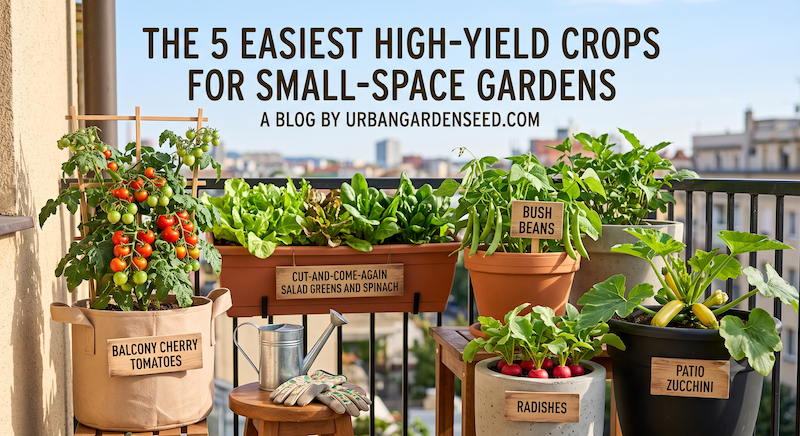
3. Crisp Radishes
If you want instant gratification, radishes are the ultimate choice. These vibrant, peppery roots go from seed to harvest in just 25 to 30 days. Sow a new row every week for a continuous, crisp supply.
4. Cold-Hardy Lettuces and Spinach
While summer heat causes lettuce to bolt and turn bitter, the crisp air of autumn creates the perfect environment for tender, sweet salad greens. Look for artisan heirloom varieties that offer a beautiful spectrum of reds, purples, and deep greens.
5. Bush Beans
If your first frost is still 60 days away, you have plenty of time to squeeze in one last massive harvest of bush snap beans. They germinate quickly in warm soil and produce heavily before the cold weather arrives.
Fall Planting Quick-Reference Guide
Use this chart to plan your late-summer seed sowing:
| Crop | Days to Maturity | Frost Tolerance | Planting Method |
|---|---|---|---|
| Radishes | 25–30 Days | Moderate (Survives light frost) | Direct Sow |
| Spinach | 40–50 Days | High (Survives heavy frost) | Direct Sow |
| Bush Beans | 50–60 Days | None (Killed by frost) | Direct Sow |
| Swiss Chard | 55–65 Days | High (Survives hard freeze) | Direct Sow |
| Carrots | 65–75 Days | High (Roots survive under frozen soil) | Direct Sow |
Prepare Your Soil for the Second Season
Before you sow your fall seeds, take a moment to replenish your garden beds. Your summer crops pulled a tremendous amount of nutrients from the earth. To ensure exceptional vigor for your autumn plants, mix a 1- to 2-inch layer of rich organic compost into the topsoil to refresh the nutrient density.
Maximize Your Growing Season Today
Do not let your beautiful garden beds sit idle for half the year. By planting a curated selection of cold-hardy crops, you can enjoy crisp, fresh, artisan-quality produce straight from your backyard all the way through Thanksgiving.
The secret to a resilient fall garden lies in the quality of the seeds you sow.
