
Adenium, Backyard Gardening, Cactus & Succulent, Family & Kids' Gardening, Flower Seeds, Garden Planning & Design, Herb Seeds, Homesteading & Self-Reliance, Sensory & Wellness Gardening, Sustainable & Regenerative Living, The Horticulturist’s Lab, Urban & Small-Space Gardening, Vegetables
How to Plan a High-Yield Food Garden in Suburban & Rural Yard Spaces
Aug
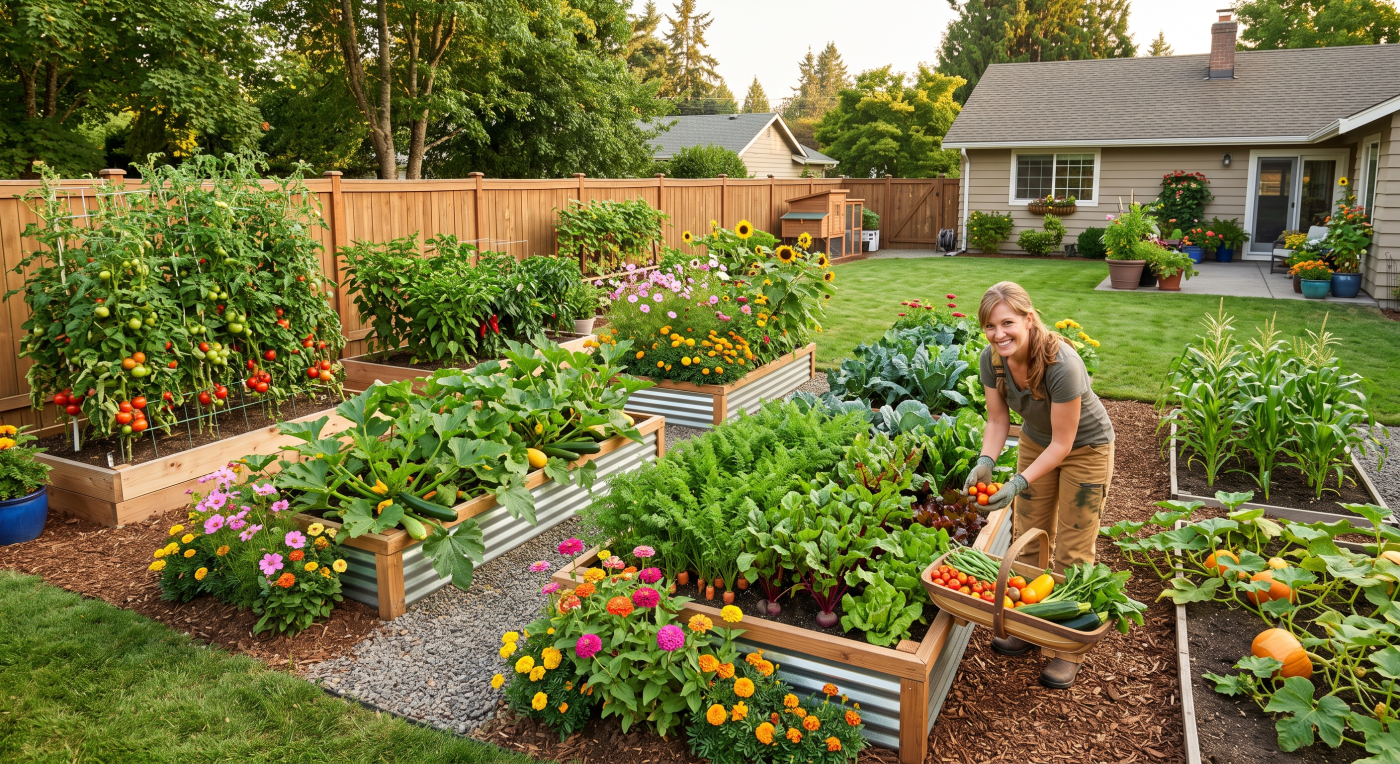
Whether you live on a half-acre suburban lot or a multi-acre rural homestead, turning your open yard into a thriving, continuous food source is one of the smartest investments you can make. With the right design strategy, strategic crop planning, and premium genetics, even a modest backyard can yield hundreds of pounds of organic produce each season.
This complete guide breaks down how to plan, organize, and maximize a high-yielding food garden designed specifically for suburban and rural properties.
1. Map Out Your Sunlight Zones & Garden Layout
Before building beds or laying down drip lines, spend a few days mapping the light and wind patterns across your property.
- Full-Sun Zone (6–8+ Hours Direct Sun): Reserve this prime real estate for heavy-feeding fruiting crops like heirloom tomatoes, peppers, eggplants, squash, and field corn.
- Partial-Sun Zone (4–6 Hours Sun): Perfect for root vegetables (carrots, beets, radishes), leafy greens (spinach, kale, Swiss chard), and cool-weather brassicas (broccoli, cabbage).
- Wind Protection: In open suburban or rural lots, harsh winds can dry out soil and damage young seedlings. Position trellises, berry bushes, or fence lines along northern boundaries to act as natural windbreaks.
2. Combine Raised Beds and In-Ground Rows
Rural and suburban properties offer enough space to combine raised beds with in-ground or trench planting for maximum efficiency:
| Garden Structure | Ideal For | Key Benefit |
|---|---|---|
| Raised Beds (4×8 ft) | Tomatoes, peppers, salad greens, bush beans | Perfect drainage, easier weed management, and warm soil early in spring. |
| In-Ground Rows | Potatoes, sweet corn, pumpkins, winter squash | Cost-effective for sprawling, long-season crops requiring large footprint. |
| Vertical Trellising | Pole beans, cucumbers, peas, small gourds | Maximizes yield per square foot while keeping foliage dry and disease-free. |
3. Implement Succession Planting for Continuous Harvests
The biggest mistake new suburban and rural gardeners make is planting everything in one weekend in spring, leading to a massive harvest surge followed by empty beds in late summer.
To keep your kitchen supplied from spring through late fall, implement succession planting:
- Every 2 Weeks: Direct-sow quick-maturing crops like radishes, loose-leaf lettuce, spinach, and cilantro in small batches.
- Spring to Fall Rotation: Follow early spring greens and peas with heavy summer crops (peppers and bush beans), then replant with cool-season fall crops (kale, carrots, and turnips) after the summer heat wanes.
- Intercropping: Plant fast-growing radishes or lettuce between slow-growing tomato or pepper transplants. By the time the tomatoes expand, the radishes are already harvested!
4. Boost Soil Fertility with Cover Crops & Organic Amendments
In suburban yards with compacted clay or rural plots with sandy soil, soil structure determines your success. Building healthy soil is an ongoing process:
- Top-Dress with Compost: Apply 2 to 3 inches of organic compost over all garden beds before every planting season.
- Incorporate Nitrogen Fixers: Plant leguminous crops like peas and bush beans, which pull nitrogen from the atmosphere and lock it into the root zone.
- Plant Fall Cover Crops: When summer crops finish, sow cover crops like winter rye, crimson clover, or field peas. They suppress weeds, prevent soil erosion, and can be tilled under in spring to add vital organic matter.
5. Plant Non-GMO Heirloom Seeds for Superior Flavor & Resilience
Your garden’s production relies heavily on the quality of the seeds you plant. Buying nursery transplants in plastic pots gets expensive fast and limits your variety to standard store options. Starting from seed allows you to grow rare heirloom varieties bred over generations for robust disease resistance, drought tolerance, and rich flavor.
Top Must-Have Varieties for Your Backyard Homestead
- Indeterminate Tomatoes: Yield continuous clusters of juicy fruit until the first hard autumn frost.
- Crisp Cut-and-Come-Again Greens: Allow multiple harvests from the same plant all season long.
- Pollinator-Attracting Flowers: Planting zinnias, marigolds, and cosmos adjacent to vegetable rows attracts bees and beneficial insects that naturally boost pollination and control garden pests.
Start Your High-Yield Garden Today
Building a self-sustaining suburban or rural food garden begins with premium seeds you can trust.
At urbangardenseed.com, we provide high-germination, non-GMO heirloom vegetable, herb, and flower seeds carefully selected to help home gardeners harvest heavier, healthier crops season after season.
Explore our complete seed collection today at urbangardenseed.com and start growing your own abundant backyard harvest!
