
Family & Kids' Gardening, Flower Seeds, Sensory & Wellness Gardening, Sustainable & Regenerative Living, Urban & Small-Space Gardening
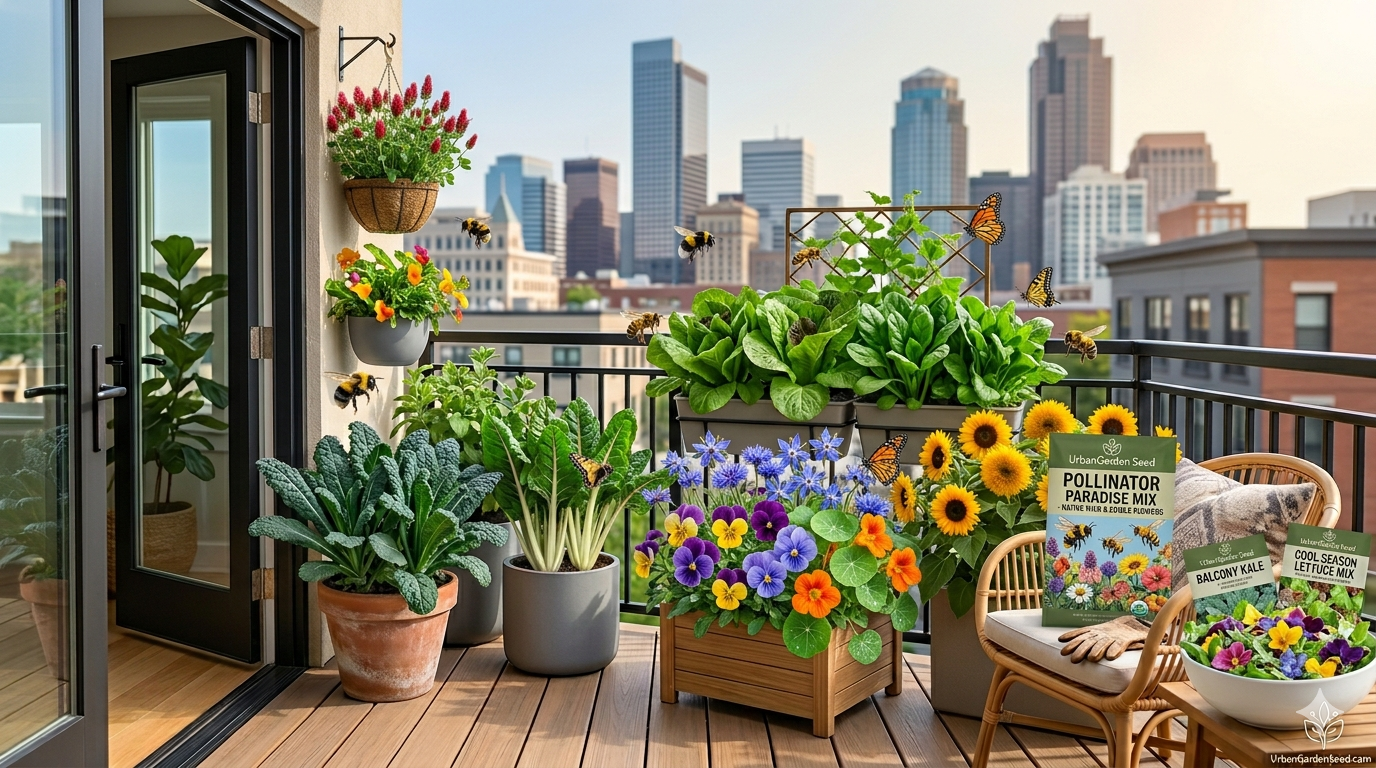
The 2026 Regenerative Garden: 5 Seeds to Turn Your Balcony Into a Pollinator Paradise
Apr
Healing the earth starts at home! Discover the 5 best seeds for regenerative gardening in small urban spaces. Build a pollinator paradise on your balcony today.
Introduction: Beyond Organic—The Regenerative Shift
In 2026, “organic” is the baseline, but Regenerative Gardening is the goal. This movement is about more than just avoiding chemicals; it’s about actively improving the local ecosystem. By choosing the right combination of edible and pollinator-friendly seeds, you can turn a simple balcony into a vital “waystation” for local bees, butterflies, and birds.
At UrbanGardenSeed.com, our Horticulturist Michael believes that every pot is a chance to restore biodiversity. Here are the 5 essential seeds to start your regenerative journey this spring.
1. Native Wildflower Mix: The “Keystone” Species
Regenerative gardening starts with native plants. They are adapted to your specific US climate and provide the exact nutrients local pollinators need.
The Benefit: These flowers require less water and zero fertilizer once established.
Urban Tip: Even a small window box of native wildflowers can support dozens of bee species in a busy city like New York or San Francisco.
2. Borage (Starflower): The Ultimate Companion
Borage is a regenerative powerhouse. Not only are the blue flowers edible (tasting like cucumber), but they also “recharge” their nectar faster than almost any other plant.
The Benefit: It acts as a companion plant that confuses pests while attracting predatory insects that protect your other vegetables.
3. Crimson Clover: The “Living Fertilizer”
Instead of using synthetic nitrogen, regenerative gardeners use “cover crops” like Crimson Clover.
The Benefit: It “fixes” nitrogen from the air into the soil, feeding your plants naturally. Plus, the bright red blooms are a favorite for long-tongued bees.
Visual Appeal: It creates a lush, green “carpet” at the base of your larger potted plants.
4. Heirloom Sunflowers: The Vertical Habitat
Sunflowers do more than just look happy. They provide seeds for birds and a sturdy “ladder” for climbing beans (a classic regenerative technique called “The Three Sisters”).
The Benefit: They act as a natural privacy screen for your balcony while sequestering carbon at a high rate.
5. Thyme & Oregano: The Perennial Backbone
These herbs are “perennial,” meaning they come back year after year. Regenerative gardening prioritizes keeping roots in the soil year-round to protect soil microbes.
The Benefit: When allowed to flower, these herbs provide a tiny “forest” of nectar for small pollinators.
The Regenerative Gardener’s “No-Dig” Rule
The secret to regenerative success is protecting the soil.
Never Leave Soil Bare: Use “living mulch” (like the Clover mentioned above) to keep the soil cool and moist.
Avoid Digging: In your pots, simply add a fresh layer of compost on top each season. This protects the delicate fungal networks (mycorrhizae) that help your plants grow.
Save Your Seeds: At the end of the season, let a few plants go to seed. This allows the local ecosystem to continue its cycle naturally.
Conclusion
Regenerative gardening proves that you don’t need acres of land to make a global impact. With the right seeds and a little intention, your urban space can become a thriving, self-sustaining oasis that feeds both you and the planet.
Ready to start your legacy? Shop our [Regenerative & Pollinator Seed Collection] at urbangardenseed.com. 100% Non-GMO, Heirloom, and safe for our winged friends. Join 800,000+ gardeners making a difference!
