
Cactus & Succulent, Family & Kids' Gardening, Flower Seeds, Herb Seeds, Sensory & Wellness Gardening, Sustainable & Regenerative Living, The Horticulturist’s Lab, Urban & Small-Space Gardening, Vegetables
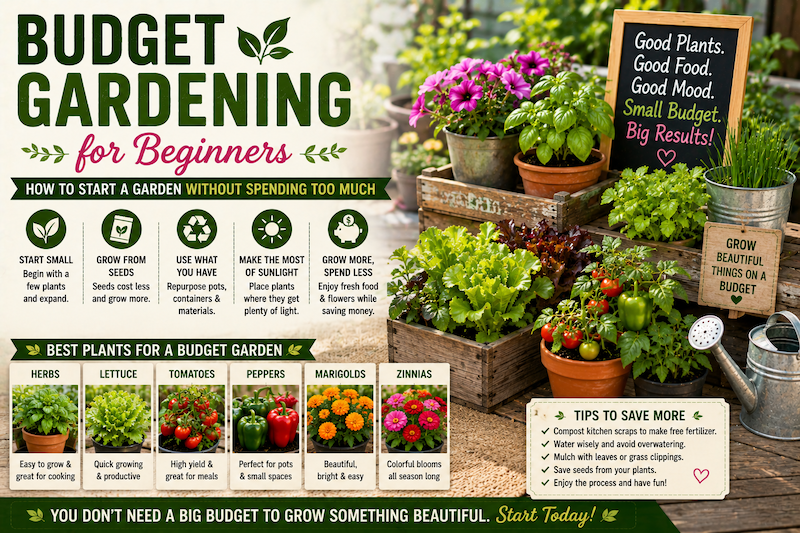
Budget Gardening for Beginners: How to Start a Garden Without Spending Too Much
May
Learn budget gardening for beginners with simple ways to start a flower, vegetable, or herb garden without spending too much. Perfect for small spaces and home gardens.
Budget Gardening for Beginners: How to Start a Garden Without Spending Too Much
Starting a garden does not have to be expensive. With the right plan, even a small space can become a beautiful and useful garden without requiring a large budget. If you are looking for budget gardening for beginners, the best approach is to start simple, choose practical plants, and make the most of the space and materials you already have.
At Urban Garden Seed, we believe gardening should be accessible, rewarding, and realistic for everyday life. A beginner garden can be beautiful, productive, and affordable when it is built around thoughtful seed choices and a manageable setup.
Why budget gardening is so popular
More gardeners are looking for practical ways to grow at home. Small-space gardening, tabletop gardening, and other compact formats are rising in popularity, which makes budget-friendly gardening especially relevant for beginners who want to start without spending too much. Google’s gardening trends page says search interest in “mini garden” reached an all-time high in 2026, while other 2026 garden trend reports highlight compact edible gardens and windowsill growing as key themes.
Many beginners want a budget garden because they want to:
* start gardening in a smaller, easier way
* use patios, balconies, porches, or windowsills
* grow flowers, vegetables, or herbs at home
* make their home feel greener without a large investment
What makes a garden budget-friendly?
A budget-friendly garden is usually a garden that is simple, focused, and built around real use. Instead of trying to grow everything at once, many beginners get better results by starting with a few plants they actually want and a setup they can manage comfortably.
A practical budget garden often includes:
* containers or spaces you already have
* seeds instead of more expensive finished plants
* a smaller number of useful crops or flowers
* a layout that fits your home and lifestyle
Google’s people-first content guidance supports this kind of practical, need-based topic because it solves a real user problem instead of trying to cover too many unrelated things on one page.
Best plants for budget gardening beginners
Herbs
Herbs are one of the best starting points for a budget garden because they fit into small spaces and are useful in everyday life. Basil, parsley, cilantro, chives, oregano, thyme, and mint are all excellent choices for patios, windowsills, and compact planters. Small-space and windowsill edibles are a major 2026 trend, which makes herbs especially relevant for search and for customers.
Lettuce and leafy greens
Leafy greens are a smart choice for beginners who want a practical food garden. They fit well in compact spaces and are often included in small edible garden setups because they make a home garden feel useful right away.
Tomatoes and peppers
Tomatoes and peppers remain popular home-garden crops because they are useful, familiar, and suitable for many home setups. They are often included in compact food gardens and patio-friendly growing plans.
Easy flowers for containers
Flowers such as petunias, marigolds, zinnias, cosmos, and pansies are excellent for beginners who want beauty on a budget. Container-focused flower gardening remains a strong trend because it suits patios, balconies, and other small spaces.
How to start a garden on a budget
1. Start small
One of the most effective ways to keep gardening affordable is to begin with a small setup. A few pots, a compact planter, or a small garden corner is often enough for a beginner. Small-space gardening trends in 2026 strongly support this approach.
2. Choose seeds with real use
The most cost-effective garden is one built around plants you actually want. If you cook often, herbs and vegetables may be the best place to start. If your goal is visual beauty, beginner-friendly flowers in containers can create strong impact without a large space.
3. Focus on containers and small spaces
Patios, balconies, porches, and windowsills are all useful starting points for beginners. Compact gardening is one of the clearest gardening trends right now, which also makes this topic highly relevant for organic search.
4. Keep the plant list simple
A smaller selection of plants is often easier to care for and more enjoyable than trying to grow too many things at once. This helps beginners stay encouraged and avoid wasting money on a garden that feels too overwhelming.
5. Start with premium-quality seeds
Budget gardening does not mean low standards. Starting with quality seeds gives beginners more confidence and a better overall growing experience. A smaller garden built with carefully selected seeds is usually more satisfying than a larger, less thoughtful setup.
Why premium-quality seeds still matter in a budget garden
A budget garden should still start with seeds you trust. Many gardeners prefer premium-quality seeds because they want confidence in what they plant and a better experience from the beginning.
At Urban Garden Seed, we are proud to offer carefully selected premium-quality seeds for gardeners who value reliability, beauty, and growing with confidence. A budget garden can still be a beautiful garden when it begins with the right choices.
Final thoughts
Learning budget gardening for beginners is a smart way to start growing at home without feeling overwhelmed. You do not need a large yard or a large budget to enjoy flowers, vegetables, or herbs. With a few practical plant choices, a simple setup, and quality seeds, even a small space can become something useful and beautiful.
If you want a garden that fits your life and your budget, start small, grow what you will actually enjoy, and build your space one step at a time.
