
Family & Kids' Gardening, Flower Seeds, Herb Seeds, Sensory & Wellness Gardening, Sustainable & Regenerative Living, The Horticulturist’s Lab, Urban & Small-Space Gardening, Vegetables
Climate-Smart Gardening: The Best Heat-Tolerant Seeds for Unpredictable Summers
May
Worried about summer heat waves ruining your backyard harvest? Discover the ultimate climate-smart gardening guide with the best heat-tolerant vegetable and flower seeds.
Weather patterns are shifting, summers are getting hotter, and dry spells are lasting longer. If you’ve noticed your favorite plants wilting or dropping their blossoms early in the season, you aren’t alone.
Modern growers are shifting toward climate-smart gardening. Instead of fighting nature, the secret to a lush, high-yield harvest is choosing resilient, heat-tolerant seeds engineered to thrive under intense sun and water stress.
To help you secure a continuous harvest all summer long, we have compiled the definitive guide to heat-proofing your home garden from the roots up.
1. Why Seed Genetics Matter for Heat Resistance
When temperatures climb too high, standard plants enter survival mode. They stop producing fruit, drop their flowers, and focus entirely on staying alive.
By starting your garden with premium, high-germination non-GMO seeds bred specifically for heat endurance, your plants retain their ability to cross-pollinate and produce high yields even during intense mid-summer waves.
Top Heat-Tolerant Varieties for Your Summer Garden
| Seed Category | Best Resilient Variety | Why It Thrives in Heat |
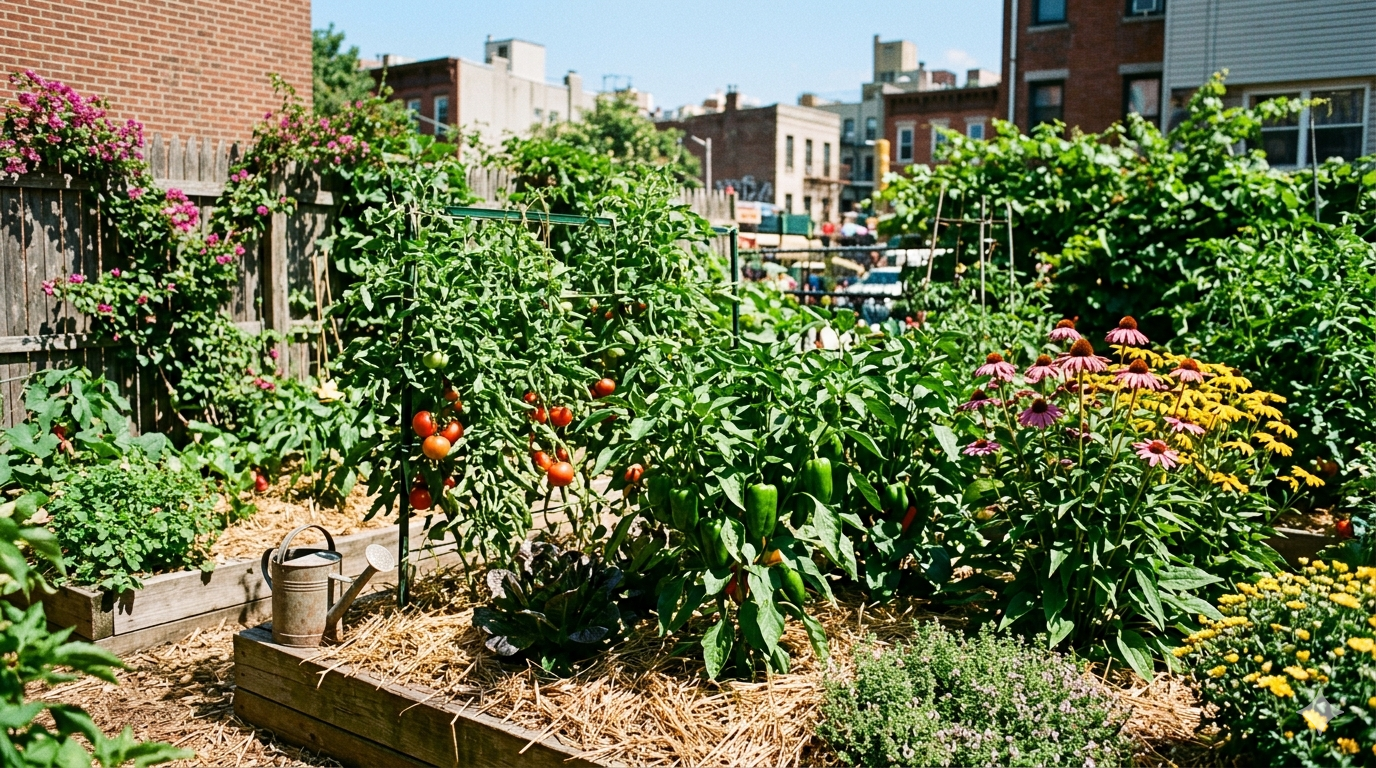
| Vegetable | California Wonder Bell Pepper | Thick walls resist sun-scald and keep producing sweet peppers. |
| Vegetable | Black Seeded Simpson Lettuce | A highly bolt-resistant loose-leaf green that won’t turn bitter. |
| Flower / Ground Cover | Creeping Thyme | A rugged, drought-tolerant ground cover that loves direct sun. |
| Flower | Echinacea (Coneflower) | Exceptionally deep roots that pull moisture from deep in the soil. |
2. Three Vital Strategies to Protect Hot-Weather Crops
Choosing the right seeds is step one. Step two is setting them up for structural success when the climate shifts.
- The Power of Mulch: Laying a 2-inch layer of organic compost or straw over your soil acts like an insulating blanket. It drops soil temperatures significantly and cuts your watering needs in half.
- Water Deeply, Not Frequently: Shallow daily watering encourages weak, surface-level roots. Instead, water deeply a few times a week to force your plants to grow deep, heat-resistant root architectures.
- Encourage Natural Diversity: Interplanting colorful, drought-hardy flowers like Chrysanthemums or Iris alongside your vegetables shelters the soil and attracts essential pollinators to boost your overall garden health.
3. The Summer Planting Timeline
1.Sow Seeds Early:Germination Stage.
Start your high-germination seeds indoors or under light shade during the tail end of spring so they develop robust root systems before the peak heat arrives.
2.Deploy Morning Hydration:Mid-Summer Strategy.
Always water your garden in the early morning. This allows the plants to fully hydrate their cells before the scorching afternoon sun hits, preventing cellular collapse and wilting.
3.Utilize Temporary Shade Cloth:Peak Heat Care.
During extreme heat waves, use a temporary 30% shade cloth over sensitive fruiting crops like tomatoes or leafy greens during the harshest afternoon hours (1 PM to 4 PM).
Build a Garden That Bounces Back
A changing climate doesn’t mean you have to give up your dream of a bountiful, gorgeous home garden. By pivoting to climate-smart practices and sowing highly durable, non-GMO seeds, you can easily grow a resilient oasis that thrives when other gardens falter.
Ready to future-proof your backyard or small balcony space? Explore our premium selection of heat-resistant vegetable, flower, and succulent seeds at urbangardenseed.com and start growing with absolute confidence!
