
Family & Kids' Gardening, Flower Seeds, Herb Seeds, Sensory & Wellness Gardening, Sustainable & Regenerative Living, The Horticulturist’s Lab, Urban & Small-Space Gardening, Vegetables
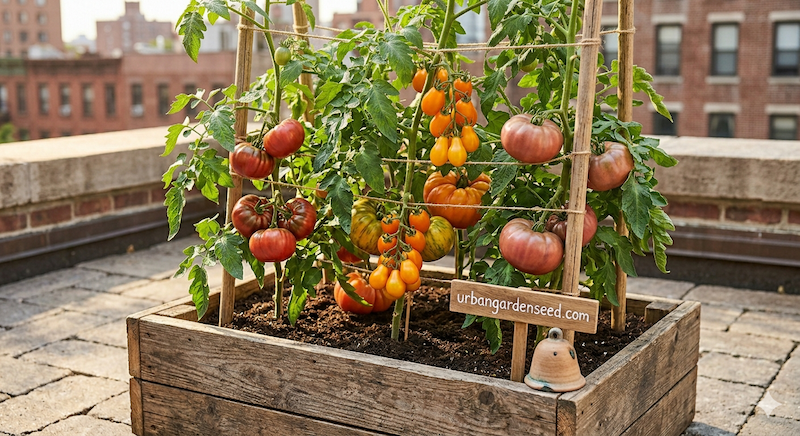
The Tomato Heatwave Guide: How to Grow Juicy Heirloom and Heat-Tolerant Tomatoes in Scorching Summers
May
Heat-tolerant tomatoes, growing heirloom tomatoes in summer, heat-resistant crops, tomato blossom drop prevention, summer tomato gardening tips.
Tomatoes are arguably the crown jewel of the home garden. There is nothing quite like the flavor of a sun-ripened heirloom plucked straight from the vine. However, as summer temperatures climb and heatwaves become the norm, growing these juicy favorites presents a distinct challenge.
Many gardeners don’t realize that tomatoes have a biological tipping point. When daytime temperatures consistently surpass 90°F (32°C) and nighttime temperatures stay above 75°F (24°C), tomato plants often drop their blossoms, halt fruit production, and suffer from intense sunscald.
The good news? You do not have to settle for tough, flavorless supermarket alternatives. By selecting the right heat-resistant varieties and altering your summer care routine, you can harvest baskets of vibrant, sweet tomatoes all summer long.
The Biology of Tomato Heat Stress (And How to Combat It)
To win the battle against the summer sun, it helps to understand exactly what happens to a tomato plant during a heatwave.
When temperatures skyrocket, the pollen within tomato blossoms becomes sticky and sterile. As a result, the flowers fail to pollinate and simply drop off—a frustrating phenomenon known as blossom drop. Furthermore, intense UV rays can physically cook the skin of developing fruit, causing pale, leathery patches known as sunscald.
Fast Facts: Beating the Heat
- The Sweet Spot: Tomatoes grow and pollinate most efficiently when temperatures fluctuate between 70°F and 85°F (21°C to 29°C).
- Blossom Drop Recovery: Once a heatwave passes and ambient temperatures drop back down below 90°F, healthy plants will immediately begin setting new, fertile blossoms within a matter of days.
- The Power of Shade: Deploying a simple 30% to 40% garden shade cloth during peak afternoon sun can reduce ambient leaf temperatures by up to 10 degrees, effectively preventing blossom drop.
4 Steps to Protect and Boost Your Summer Tomato Yields
To ensure your summer tomato plants don’t just survive but yield a massive harvest during intense heat waves, follow this precise sequence of care.
1
Select Heat-Resilient and Cherry Varieties
Step 1
Before the season hits its peak, choose varieties naturally adapted to warm climates. While massive beefsteaks often struggle to pollinate in extreme heat, smaller heirloom cherry tomatoes (like Black Cherry or Goldkrone) and specific heat-tolerant slicing varieties (like Heatmaster or Homestead) will happily set fruit all summer.
2
Implement Deep, Early-Morning Irrigation
Step 2
Watering during the heat of the day causes rapid evaporation and can shock hot roots. Instead, water deeply at the base of the plant at dawn. This ensures the soil profile is completely saturated, giving the plant the moisture reserve it needs to transpire and cool itself when the midday sun hits.
3
Erect Afternoon Shade Structures
Step 3
When temperatures are forecasted to spike, drape a lightweight, breathable shade cloth over your tomato cages or stakes. Position it to block the harsh western sun between 1:00 PM and 4:00 PM while still allowing ambient morning light and cooling wind to pass through.
4
Prune Strategically to Avoid Sunscald
Step 4
While pruning tomato “suckers” is excellent for airflow, avoid aggressive pruning during peak summer. Leave a robust upper canopy of leaves intact to act as a natural umbrella, shading the developing clusters of fruit from direct UV exposure.
Best Heirloom and Heat-Tolerant Varieties for Summer Success
If you want a guaranteed harvest when the weather turns punishing, focus on these top-tier, rugged performers:
- Heirloom Cherry Tomatoes: Smaller fruits require less energy and time to mature. Varieties like Black Cherryand Sweetie are incredibly resilient, producing sweet, dark, or classic red fruits continuously through hot spells.
- Determinate Heat-Hardy Varieties: Cultivars like Homestead or Roma possess thick foliage that naturally shields fruit clusters from sunscald and are highly reliable producers in warm southern or tropical climates.
- The “Heatmaster” Hybrid: Specifically bred for hot, humid conditions, this variety keeps setting fruit when traditional heirlooms take a summer hiatus.
Pro Tip for Summer Feeding: Avoid using heavy nitrogen fertilizers during a heatwave. Excessive nitrogen forces the plant to spend its limited energy growing lush green leaves rather than protecting its roots and maintaining its fruit. Stick to a light, calcium-rich liquid kelp or bone meal feed to prevent blossom end rot!
