
Adenium, Cactus & Succulent, Family & Kids' Gardening, Flower Seeds, Herb Seeds, Sensory & Wellness Gardening, Sustainable & Regenerative Living, The Horticulturist’s Lab, Urban & Small-Space Gardening, Vegetables
The July Pivot: Fast-Growing Seeds to Plant Now for a Massive Fall Harvest
Jun
If you think late June and July are just for watering and weeding, you are missing out on one of the biggest gardening trends of 2026: the “Second Harvest.”
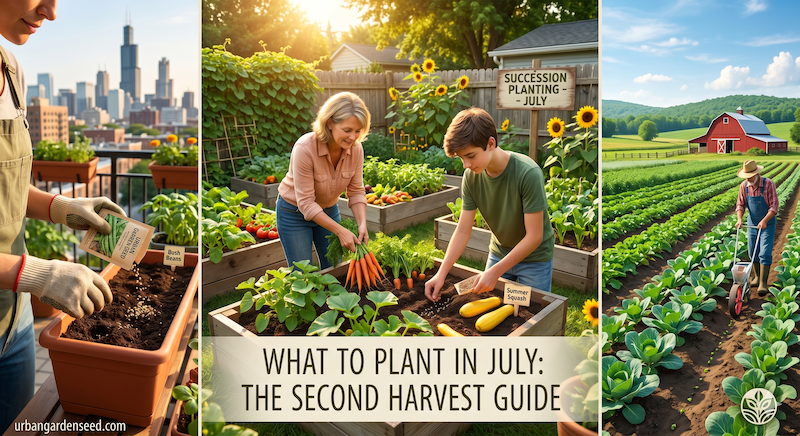
Across the US, growers are pivoting from their spring crops to plant fast-growing, climate-resilient varieties that thrive in mid-summer soil and mature beautifully in the crisp autumn air. Whether you are managing a 10-acre homestead, a backyard raised bed, or a 4th-floor apartment balcony, summer is the perfect time to sow a fresh round of seeds.
Here is a breakdown of exactly what you should be planting right now based on your growing space.
1. The Apartment Balcony: Small Space, Big Yields
Urban gardeners are proving that you don’t need a yard to grow your own food. The secret to mid-summer balcony gardening is choosing compact, heat-tolerant varieties that perform well in containers. Potted soil warms up faster than ground soil, which means seeds germinate rapidly in July.
- Bush Beans: Unlike pole beans that require tall trellises, bush beans stay compact (usually under 2 feet tall) and produce an incredible yield in just 50 to 60 days. They are nitrogen-fixers, meaning they improve your potting soil as they grow.
- Microgreens & Arugula: If the summer heat is scorching your balcony, bring these indoors or keep them in the shade. Microgreens take virtually no space and pack up to 40 times the nutrients of mature leaves. Arugula sown now can be harvested in under 40 days as a continuous “cut-and-come-again” crop.
- Dwarf Cucumbers: Look for “bush” or “patio” cucumber varieties. They won’t vine out of control and are perfect for a 12-inch deep container.
2. The Backyard Raised Bed: The Succession Plan
If your early spring crops like radishes, peas, and spinach have bolted or been harvested, you now have empty real estate in your raised beds. Before sowing your second crop, turn the soil and mix in a balanced organic fertilizer to replenish the nutrients.
- Carrots: Sowing carrots in mid-summer yields a late-summer to early-fall crop. The trick to summer sowing is keeping the soil surface constantly moist until the seeds germinate.
- Summer Squash & Zucchini: These are the heavy hitters of summer. Planted in July, they will give you a second flush of fruit by September.
- Heat-Tolerant Greens: Standard lettuce turns bitter in July heat. Swap it out for Swiss Chard or Mustard Greens, which handle the temperature spikes while still delivering tender, flavorful leaves.
To help visualize how these mid-summer plantings overlap with your fall harvest, use this dynamic calendar to find the exact sowing windows for your specific climate zone:
Pro Tip: In Zones 7-10, you have a much longer runway. You can successfully start a second round of tomatoes and peppers right now if you choose fast-maturing varieties.
3. The Farm & Homestead: Climate-Smart Growing
For those with acreage, mid-summer planting is about maximizing yield before the first frost while building soil health for next year.
- Cold-Hardy Brassicas: July is the time to start seeds for your heavy fall crops. Kale, Brussels Sprouts, and Cabbage require a long runway (up to 100 days), but they thrive as temperatures drop. In fact, a light autumn frost actually sweetens their flavor.
- Cover Crops (Green Manure): If you have garden beds that you don’t plan to harvest from again this year, don’t leave the soil bare. Plant a cover crop like clover or winter rye. They prevent erosion, suppress weeds, and pull nutrients back into the soil for your next spring season.
- Beets: Beets are incredibly resilient. Sown in July, they can survive temperatures dipping into the high 20s, allowing you to harvest well into late autumn.
Ready to Start Your Second Harvest?
Don’t let the season slip by. Whether you are filling a patio pot or a quarter-acre plot, getting seeds in the dirt right now guarantees fresh produce on your table this fall.
Stock up on fast-growing, high-yield varieties directly from our catalog at urbangardenseed.com. We source premium seeds specifically chosen for their resilience, flavor, and reliability in real-world gardens.
