
Adenium, Cactus & Succulent, Family & Kids' Gardening, Flower Seeds, Herb Seeds, Sensory & Wellness Gardening, Sustainable & Regenerative Living, The Horticulturist’s Lab, Urban & Small-Space Gardening, Vegetables
How to Grow Plumeria From Seed: Complete Germination and Care Guide
Jul
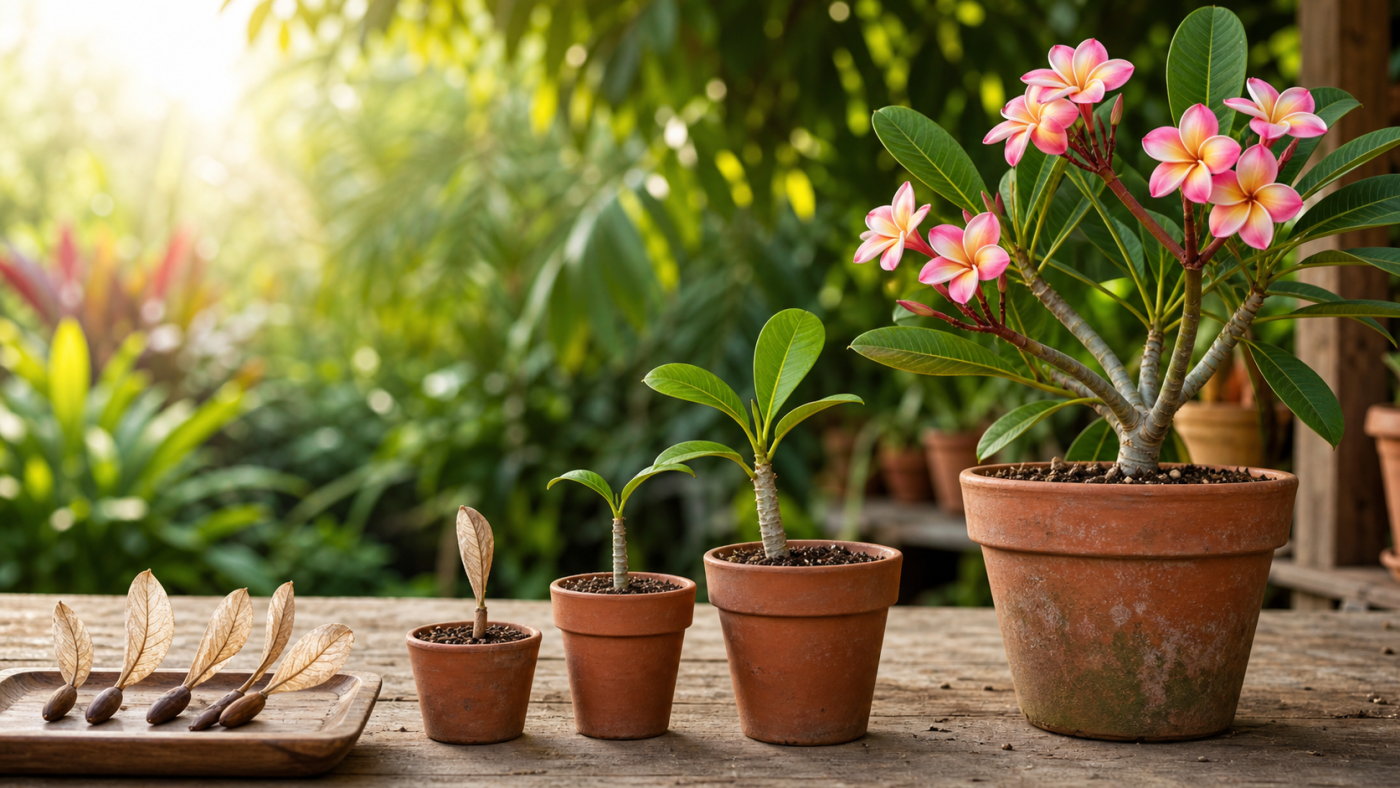
Plumeria flowers can transform a sunny patio or garden into a tropical retreat. Also known as frangipani, these plants produce fragrant flowers in beautiful shades of white, yellow, pink, red, orange, and multicolor combinations.
Although Plumeria is frequently propagated from cuttings, growing it from seed offers a completely different experience. You can observe the plant from its earliest stage and potentially raise a one-of-a-kind seedling.
The process requires warmth, fresh seed, excellent drainage, and patience. In this guide, you will learn how to plant Plumeria seeds correctly, care for young seedlings, protect the plants during winter, and avoid the problems that commonly prevent germination.
Ready to start? Shop Plumeria flower seeds from Urban Garden Seed and review the current product options before ordering.
Important expectation: Plumeria grown from seed may not produce flowers identical to the parent plant or product photograph. Seedlings can vary in color, fragrance, size, form, and flowering quality. Growing from a cutting or graft is necessary when maintaining an exact named cultivar.
Plumeria Seed Germination at a Glance
| Requirement | Recommendation |
|---|---|
| Best seed | Fresh, firm, undamaged winged seed |
| Growing medium | Sterile, loose and fast-draining |
| Planting position | Seed body inserted shallowly, wing above the surface |
| Temperature | Consistently warm |
| Moisture | Evenly moist but never waterlogged |
| Light | Bright light after emergence |
| Germination time | Often approximately 8–14 days with fresh seed and suitable conditions |
| Transplanting | After one or two pairs of true leaves develop |
| Time to flowering | Frequently three years or longer |
| Outdoor climate | Best suited to tropical and subtropical conditions |
| Cold-climate care | Grow in a container and move indoors before damaging cold |
Germination times are estimates. Seed freshness, storage, temperature, moisture, and growing medium can all affect the result.
What Is Plumeria?
Plumeria is a group of tropical flowering shrubs and small trees in the dogbane family, Apocynaceae. The plants are native to tropical regions of the Americas but are now strongly associated with Hawaii, the Caribbean, Florida, and many Pacific islands.
Commonly grown species include:
- Plumeria rubra
- Plumeria alba
- Plumeria obtusa
Plumeria flowers are widely known for their fragrance and use in leis. Depending on the species and variety, plants may produce white, yellow, pink, red, orange, or multicolored flowers.
The University of Wisconsin Extension explains that Plumeria can be propagated from seed or cuttings. Cuttings maintain named selections, while seed-grown plants introduce genetic variation. Read its Plumeria overview.
Why Grow Plumeria From Seed?
Growing Plumeria from seed offers several advantages.
Every Seedling Can Be Unique
Because seedlings contain a new genetic combination, they may develop flower colors, shapes, growth habits, or fragrances that differ from the parent.
This makes seed growing especially interesting for collectors and gardeners who enjoy surprises.
Seeds Are Easy to Store and Ship
Winged Plumeria seeds are compact and easier to handle than large cuttings. They allow gardeners to begin several plants without needing space for multiple mature branches.
You Can Watch the Entire Life Cycle
Seed propagation lets you observe germination, leaf development, stem thickening, branching, and eventual flower formation.
Seedlings Can Develop Strong Root Systems
When transplanted carefully and given sufficient space, seedlings can develop well-balanced root systems from an early age.
Will Seed-Grown Plumeria Match the Photograph?
It may not.
Flower color and quality are not guaranteed when Plumeria is grown from seed. According to the University of Hawaii Cooperative Extension, white-flowered parents tend to produce mostly white seedlings, and dark-red or yellow parents may produce similar colors. However, pink and multicolored plants are more likely to produce a broader range of seedling colors.
Even when the general color is similar, the exact markings, fragrance, petal shape, and flowering performance may differ.
Present seed-grown Plumeria as an opportunity to raise a unique plant—not as a guaranteed method of reproducing an exact cultivar.
When Should You Plant Plumeria Seeds?
Plumeria seeds can be started indoors whenever you can provide dependable warmth and bright light. Spring and early summer are often the easiest times because temperatures are naturally warmer and seedlings have a longer period to establish before winter.
Gardeners in tropical or frost-free locations may have greater flexibility. Gardeners in colder areas should start the seeds indoors and grow the plants in movable containers.
Avoid starting seeds in a cold room unless you have a safe method of maintaining warm growing conditions.
What You Need
Gather these supplies before planting:
- Fresh Plumeria seeds
- Small pots, cell trays or nursery containers
- Containers with drainage holes
- Sterile, fast-draining seed-starting medium
- Perlite or vermiculite
- Clean water
- Plant labels
- Clear humidity cover, if needed
- Bright window or grow light
- Optional seedling heat mat
Do not use heavy garden soil in a seed tray. It may compact, drain poorly, contain weed seeds, or introduce plant pathogens.
How to Grow Plumeria From Seed Step by Step
Step 1: Examine the Seeds
Plumeria seeds have an enlarged seed body with a thin, papery wing.
Choose seeds that appear firm, filled, and undamaged. Discard seeds that are crushed, moldy, extremely brittle, or visibly empty.
Freshness is important. University of Hawaii guidance notes that dry Plumeria seeds may begin losing viability after approximately three months in ordinary plastic-bag storage. Planting promptly can improve the likelihood of germination.
Step 2: Decide Whether to Soak the Seeds
Fresh Plumeria seed does not always require soaking. If the directions provided with your seeds recommend presoaking, use clean, room-temperature water and follow the specified time.
Do not leave seeds submerged for several days. Excessive soaking can encourage decay, especially if the seed is already old or damaged.
Step 3: Prepare a Fast-Draining Medium
A mixture containing perlite and vermiculite can provide both moisture retention and air around the developing roots. A quality sterile seed-starting mix amended for better drainage can also work.
Moisten the growing medium before planting. It should feel evenly damp but should not drip when squeezed.
Fill the containers without compressing the mix heavily.
Step 4: Plant the Winged Seeds Correctly
Insert the thicker seed body shallowly into the growing medium. Leave the papery wing extending above the surface.
The seed should be stable but not deeply buried.
University of Hawaii propagation material illustrates Plumeria seed planted vertically in a vermiculite-and-perlite medium with the wing remaining above the surface. Under suitable conditions, its example recorded germination in approximately 8–10 days. View the Plumeria propagation material.
If planting several seeds in one tray, provide enough room to lift each seedling without damaging neighboring roots.
Step 5: Provide Consistent Warmth
Place the containers in a warm location. Plumeria is tropical, and cold growing media can slow or prevent germination.
A seedling heat mat can help in a cool home, but monitor it carefully. The goal is steady warmth, not excessively hot soil.
Do not place a covered container in intense direct sun. Heat can accumulate rapidly beneath a plastic dome.
Step 6: Maintain Moisture Without Saturating the Soil
Keep the medium evenly moist while the seeds germinate. A clear humidity cover can reduce moisture loss, but it should not create permanently soggy conditions.
Check the containers daily. If heavy condensation remains on the cover, increase ventilation.
Plumeria seeds require moisture and oxygen. Waterlogged media can deprive the seed of oxygen and encourage rot.
Step 7: Watch for Germination
Fresh Plumeria seeds may germinate in approximately one to two weeks under suitable conditions. Some seeds may take longer.
As germination begins, the developing stem lifts or releases the seed coat. Avoid pulling it away. The young leaves can be damaged easily.
If the seed coat remains attached, maintain appropriate humidity and allow the seedling to release it naturally.
Step 8: Remove the Humidity Cover
Once seedlings emerge, begin increasing ventilation. Remove the humidity cover gradually and provide bright light.
Leaving seedlings in stagnant, excessively humid conditions can encourage weak growth or fungal problems.
Step 9: Provide Bright Light
Place the seedlings beneath a grow light or near a bright window. Increase exposure to direct sun gradually.
Young plants raised under weak light can become tall, thin, and unable to support themselves. However, placing indoor-grown seedlings immediately in intense outdoor sunlight can scorch their leaves.
Step 10: Transplant the Seedlings
Transplant Plumeria seedlings after they develop one or two pairs of true leaves and are sturdy enough to handle.
The University of Hawaii recommends moving seedlings into individual pots at this stage.
Lift each seedling by its root ball or leaves rather than pulling the delicate stem. The young roots can be brittle, so transplant carefully.
Use small individual pots with unobstructed drainage holes and a loose, well-draining growing medium.
Plumeria Seedling Care
Light
Plumeria needs generous light for healthy growth and future flowering. Gradually acclimate seedlings to several hours of sunlight.
Mature plants generally perform best in full sun. Indoor plants should receive the brightest suitable exposure available.
Watering
Water when the upper portion of the growing medium begins to dry. Apply enough water to moisten the root ball, then allow the excess to drain.
Do not leave the pot sitting in water.
Seedlings need more consistent moisture than dormant mature plants, but their roots still require oxygen. Constantly wet soil can cause root and stem rot.
Fertilizing
Wait until the seedlings are established and actively growing before fertilizing. Begin with a diluted, balanced fertilizer intended for container plants.
Avoid excessive fertilizer. Heavy feeding can damage young roots and does not guarantee earlier flowering.
Air Circulation
Provide gentle airflow around the seedlings. Air circulation helps strengthen growth and prevents moisture from remaining on the leaves and soil surface.
Avoid strong wind, which can damage young stems.
Pot Size
Increase the container size gradually. A very large pot holds more wet growing medium than a small root system can use.
Make sure every pot has drainage holes.
Growing Plumeria Outdoors in the United States
Plumeria is best adapted to warm tropical and subtropical climates. UF/IFAS lists it primarily for USDA Hardiness Zones 10B–11 and recommends full sun with well-drained soil. Read the UF/IFAS Plumeria care guide.
Gardeners in colder zones can still grow Plumeria successfully in containers:
- Keep the plant indoors until frost danger has passed.
- Gradually introduce it to outdoor sunlight.
- Place it in a warm, sunny location.
- Protect it from severe wind and prolonged heavy rain.
- Move it indoors before cold autumn nights threaten the plant.
Do not assume that one USDA zone recommendation covers every property. Local elevation, wind, rainfall, urban heat, and protected microclimates can change how a plant responds.
Winter Care for Container Plumeria
As temperatures cool and daylight decreases, Plumeria may stop growing and lose some or all of its leaves. This dormancy can be normal.
During winter:
- Keep the plant protected from frost.
- Reduce watering while it is leafless or inactive.
- Do not keep dormant roots continuously wet.
- Inspect the stems for softness or rot.
- Resume more regular watering when new growth becomes active.
- Keep the plant away from cold drafts.
The University of Wisconsin recommends moving container-grown Plumeria indoors when autumn night temperatures fall into the 40s°F.
How Long Does Plumeria Take to Flower From Seed?
Patience is essential.
Seed-grown Plumeria commonly requires three years or longer to flower. Climate, genetics, container size, light, warmth, nutrition, and overall plant health can all affect the timing.
Do not try to force a young seedling to flower through excessive fertilizer. Concentrate on developing a healthy root system, sturdy stem, and well-branched plant.
Once the first flowers appear, photograph and label the plant. A particularly attractive seedling can become a special addition to your collection.
Common Plumeria Germination Problems
The Seeds Did Not Germinate
Possible reasons include:
- Old or poorly stored seed
- Temperatures that were too low
- Growing medium that dried completely
- Excessive moisture causing decay
- Seeds planted too deeply
- Damaged or empty seeds
Check temperature and moisture before disturbing the containers.
The Seed Rot Before Sprouting
Rot usually indicates excessive moisture, insufficient air circulation, contaminated growing medium, or low temperatures.
Use clean containers, improve drainage, and avoid saturated soil.
The Seed Coat Is Stuck
Do not immediately pull the seed coat from the leaves. Increase humidity slightly and give the seedling time to release it.
Removing the coat forcibly can tear the first leaves or break the stem.
Seedlings Are Tall and Thin
Leggy seedlings generally need stronger light. Move the grow light closer according to its manufacturer’s directions or provide a brighter location.
Leaves Are Turning Yellow
Yellowing may be caused by overwatering, cold roots, poor drainage, insufficient light, transplant stress, pests, or nutrient problems.
Evaluate the entire growing environment before applying fertilizer.
The Stem Is Becoming Soft
A soft or darkened stem can indicate rot. Separate affected plants, reduce moisture, improve airflow, and inspect the drainage.
Plumeria Safety
Plumeria produces milky sap that can irritate the skin and eyes. Wear gloves when pruning or handling broken stems, wash exposed skin, and keep the plant away from children and pets who may chew it.
Plumeria seeds and plant parts are sold for ornamental growing purposes and should not be consumed.
Frequently Asked Questions
Which end of a Plumeria seed goes into the soil?
Insert the thicker seed body into the growing medium and leave the papery wing extending above the surface.
Should Plumeria seeds be buried completely?
No. Plant the seed body shallowly. The wing can remain above the growing medium.
How long do Plumeria seeds take to germinate?
Fresh seed may germinate in approximately 8–14 days under suitable conditions. Older seed or cooler growing conditions may require longer.
Do Plumeria seeds need light to germinate?
Warmth and moisture are the main priorities during germination. Once the seedlings emerge, provide strong, bright light to prevent weak growth.
Can I start Plumeria seeds in a paper towel?
A moist paper towel may be used to check viability, but transferring a delicate new root can cause damage. Planting directly into a clean, fast-draining medium avoids this extra handling.
Can Plumeria be grown indoors?
Plumeria can be maintained indoors, particularly during winter, but it requires abundant light. Flowering can be limited when indoor light is insufficient.
Will seed-grown Plumeria produce the color I selected?
The resulting flowers may resemble the parent but are not guaranteed to match it. Pink and multicolored parents can produce seedlings with a particularly wide range of colors.
How soon should Plumeria seeds be planted?
Plant them promptly after receiving them. Plumeria seed viability can decline during storage, especially under unfavorable conditions.
Is Plumeria frost tolerant?
No. Plumeria is tropical and can suffer serious cold damage. Grow it in a movable container if freezing temperatures occur in your area.
How long before a seedling produces flowers?
Seed-grown plants frequently require three years or longer before their first bloom.
Start Growing Plumeria From Seed
Growing Plumeria from seed combines the excitement of germination with the possibility of raising a flower that is completely unique.
Success begins with a few essentials:
- Plant fresh, viable seeds.
- Position the seed body shallowly with the wing above the surface.
- Provide consistent warmth.
- Keep the medium moist but not waterlogged.
- Give seedlings strong light after germination.
- Transplant carefully.
- Protect the plants from frost.
- Be patient while waiting for flowers.
Order Plumeria Flower Seeds from Urban Garden Seed and begin your tropical seed-growing project.
Availability, package size, and color options may change. Always review the current product page before purchasing.
