
Adenium, Cactus & Succulent, Family & Kids' Gardening, Flower Seeds, Herb Seeds, Sensory & Wellness Gardening, Sustainable & Regenerative Living, The Horticulturist’s Lab, Urban & Small-Space Gardening, Vegetables
Best Non-GMO Seeds to Buy Online for a Healthy and Productive Garden
Jun
A beautiful garden begins with a small seed—but not every seed offers the same growing experience.
The seed varieties you choose can affect germination, plant health, harvest quality, and how much enjoyment you get from your garden. Whether you are growing vegetables for your family, colorful flowers for pollinators, fresh herbs for cooking, or trees as a long-term project, starting with quality seeds gives your garden a better foundation.
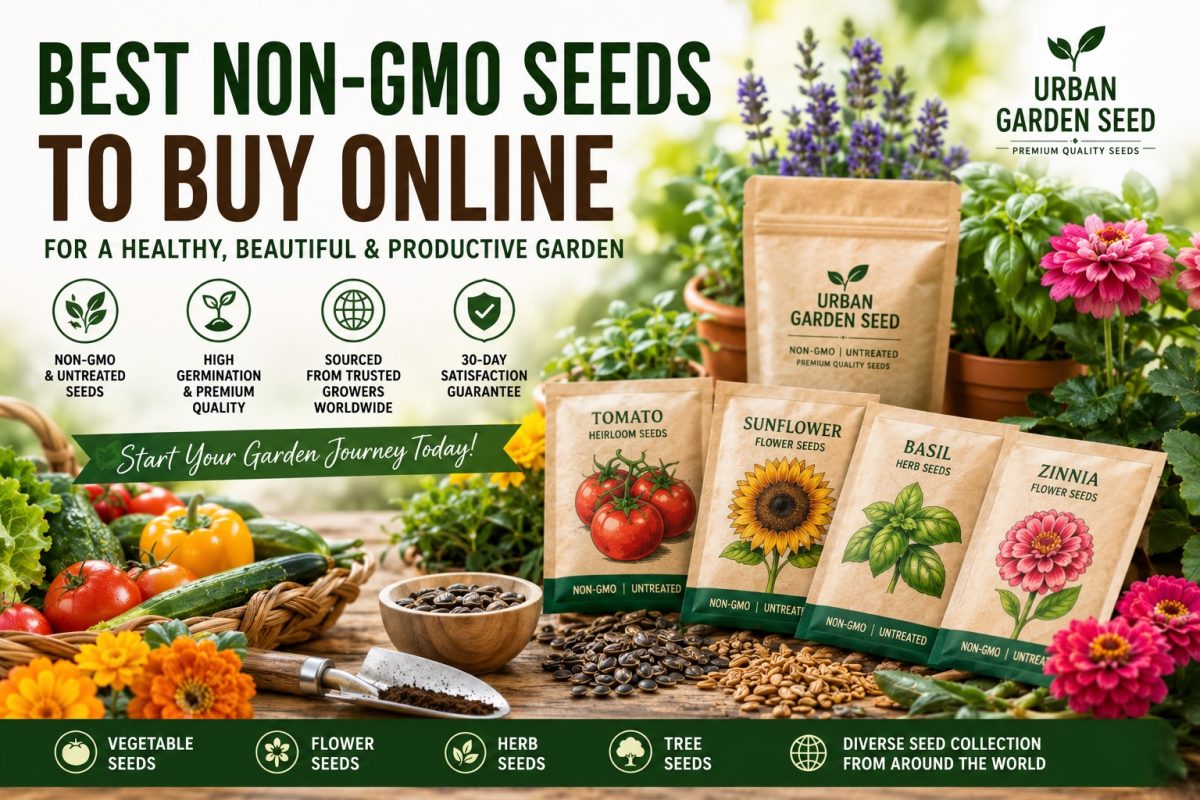
At Urban Garden Seed, we provide carefully selected Non-GMO, untreated seeds for home gardeners, plant collectors, and growers who want dependable quality and a diverse selection.
Our seed collections include:
- Vegetable seeds
- Flower seeds
- Herb seeds
- Tree seeds
- Heirloom varieties
- Rare and unusual seeds
- Beginner-friendly garden seeds
We source seed varieties from respected growing regions around the world, including Australia, Canada, South Africa, Thailand, the Philippines, China, the Netherlands, the United Kingdom, and Taiwan.
Ready to start growing? Explore premium seeds at UrbanGardenSeed.com.
Why Buying Quality Garden Seeds Matters
Seeds may be small, but they carry the entire potential of a future plant.
Poor-quality, improperly stored, or unsuitable seeds can cause:
- Low or uneven germination
- Weak seedlings
- Wasted soil and growing supplies
- Lost planting time
- Unproductive garden space
- Disappointing harvests
Quality seeds are only one part of successful growing, but they provide the starting point every gardener needs.
The correct growing environment is equally important. Seeds require suitable moisture, air, temperature, and—in some cases—specific light conditions to germinate successfully.
When shopping online, look for a seed company that clearly explains what it sells, provides useful growing information, and stands behind the customer experience.
What Are Non-GMO Seeds?
Non-GMO seeds are seeds that have not been produced through genetic engineering.
Many home gardeners choose Non-GMO seeds because they prefer traditional plant breeding, greater variety, and more control over what they grow.
Non-GMO does not automatically mean the same thing as organic, heirloom, or open-pollinated. These terms describe different characteristics.
Non-GMO
The seed has not been genetically engineered.
Heirloom
An heirloom is generally an older variety that has been preserved and passed between gardeners or growers over many years.
Open-pollinated
Open-pollinated plants can be pollinated naturally, and their seeds may produce plants with characteristics similar to their parent variety when properly grown and isolated.
Hybrid
Hybrid seeds are produced by crossing selected parent plants to develop particular characteristics. Seeds collected from hybrid plants may not reproduce the same combination of traits in the next generation.
Heirloom varieties are typically open-pollinated, while the heirloom label by itself does not guarantee that seeds were organically produced.
At Urban Garden Seed, our commitment is to offer Non-GMO and untreated seeds that gardeners can purchase with confidence.
What Are Untreated Seeds?
Untreated seeds have not been coated with chemical seed treatments.
They are often selected by home gardeners who prefer a simpler and more transparent growing process. Untreated seeds also give gardeners greater control over the gardening methods and products used after planting.
When purchasing seeds, always read the product description carefully. Terms such as untreated, organic, heirloom, hybrid, and open-pollinated should not be treated as interchangeable.
Which Garden Seeds Should You Buy?
The best seeds for your garden depend on your growing space, climate, experience, and goals.
1. Vegetable Seeds for Fresh Homegrown Food
Growing vegetables from seed can turn a small garden, raised bed, or group of containers into a productive source of fresh food.
Popular vegetable choices include:
- Tomatoes
- Peppers
- Cucumbers
- Lettuce
- Carrots
- Radishes
- Eggplants
- Okra
- Squash
- Kale
- Cabbage
- Onions
Before buying, consider how much space the mature plant needs. A compact lettuce plant requires much less space than a sprawling squash or cucumber vine.
Also consider the length of your growing season. Some plants can be directly sown outside, while others may benefit from being started indoors.
Shop the Vegetable Seed Collection
2. Flower Seeds for Color and Pollinators
Flower seeds can transform patios, pathways, balconies, borders, and open garden beds.
Popular flower choices include:
- Sunflowers
- Zinnias
- Marigolds
- Cosmos
- Petunias
- Celosia
- Daisies
- Snapdragons
- Lavender
Some gardeners choose flowers for ornamental beauty, while others want varieties suitable for cut-flower arrangements or pollinator gardens.
Before planting, check:
- Mature plant height
- Sunlight requirements
- Recommended spacing
- Blooming season
- Annual or perennial classification
- Local growing conditions
A thoughtful mix of flower varieties can help create a garden with different colors, heights, and flowering periods.
Shop the Flower Seed Collection
3. Herb Seeds for Cooking and Container Gardens
Herbs are practical choices for balconies, windowsills, patios, raised beds, and small gardens.
Popular herbs include:
- Basil
- Cilantro
- Parsley
- Dill
- Chives
- Thyme
- Oregano
- Mint
Herbs can be harvested for cooking, garnishing, drying, and preserving. Many herbs also grow well in containers, making them accessible to gardeners with limited space.
Choose containers with drainage holes and confirm whether each herb prefers full sun, partial shade, dry soil, or consistently moist soil.
Shop the Herb Seed Collection
4. Tree Seeds for Long-Term Growing Projects
Growing a tree from seed requires patience, but it can be an exceptionally rewarding gardening project.
Tree seeds are popular among:
- Plant collectors
- Bonsai growers
- Landscape gardeners
- Homesteaders
- Reforestation enthusiasts
- Gardeners interested in unusual varieties
Some tree seeds can be planted after basic preparation. Others may require:
- Soaking
- Scarification
- Warm stratification
- Cold stratification
- Alternating temperature periods
Always read the germination requirements before planting a tree seed. Unlike fast-growing annual flowers and vegetables, some trees naturally take much longer to germinate and establish.
Shop the Tree Seed Collection
Best Seeds for Beginner Gardeners
Beginning gardeners often achieve better results by starting with varieties that are relatively manageable and suitable for their local conditions.
Good options may include:
Beginner-friendly vegetables
- Lettuce
- Radish
- Beans
- Cucumber
- Okra
- Squash
Beginner-friendly flowers
- Sunflowers
- Zinnias
- Marigolds
- Cosmos
Beginner-friendly herbs
- Basil
- Dill
- Cilantro
- Chives
The easiest plant will still depend on climate, planting season, and care. Begin with a manageable number of varieties rather than planting too many unfamiliar seeds at once.
A small, well-maintained garden usually provides a better first experience than a large garden that becomes difficult to manage.
Start with beginner-friendly seeds from Urban Garden Seed.
How to Choose Seeds Online
Choose Seeds Appropriate for Your Climate
A variety that performs well in one region may struggle in another.
Check your:
- Growing zone
- Average frost dates
- Seasonal temperatures
- Rainfall pattern
- Day length
- Heat and humidity
- Available sunlight
Product descriptions should be reviewed alongside local gardening recommendations.
Read the Seed Packet or Product Description
Look for information about:
- Recommended planting time
- Germination period
- Planting depth
- Spacing
- Sun exposure
- Mature height
- Days to maturity
- Special germination requirements
This information helps you decide whether the variety fits your space and growing season.
Match the Plant to Your Available Space
Small-space gardeners should consider:
- Container-friendly vegetables
- Compact herbs
- Dwarf varieties
- Flowers suitable for pots
- Plants with manageable root systems
Gardeners with more space can grow larger vines, sprawling vegetables, flower borders, and tree varieties.
Understand the Variety You Are Purchasing
Choose according to your goal.
An heirloom variety may appeal to someone interested in traditional characteristics or seed saving. A hybrid may appeal to a gardener seeking selected characteristics such as uniformity or disease resistance.
Neither category is automatically best for every gardener. The right choice depends on the qualities you value. Illinois Extension similarly advises gardeners to compare each variety’s characteristics with what they want from their plants.
Buy from a Seed Seller That Supports Its Customers
A trustworthy seed company should offer:
- Accurate product descriptions
- Clear seed identification
- Useful planting information
- Accessible customer support
- Transparent policies
- A customer satisfaction commitment
Urban Garden Seed supports purchases with a 30-Day Satisfaction Guarantee, helping customers order with greater confidence.
How to Germinate Garden Seeds Successfully
Quality seeds still need suitable growing conditions. Follow these essential steps.
1. Read the Instructions Before Planting
Do not assume all seeds need the same treatment.
Some require light to germinate, while others germinate better when covered. Some can be planted directly outdoors, while others benefit from indoor seed starting.
2. Use a Suitable Growing Medium
For indoor seed starting, use a clean, well-draining growing medium that allows young roots to develop.
Heavy or compacted soil can hold excessive moisture and restrict delicate roots.
3. Plant at the Recommended Depth
Planting too deeply can prevent small seedlings from reaching the surface.
A commonly used guideline is to cover seeds to approximately twice their diameter, while very fine seeds may need to remain uncovered. Species-specific instructions should always take priority.
4. Maintain Consistent Moisture
The growing medium should usually remain evenly moist during germination, but it should not be waterlogged.
Excessive moisture can create unhealthy conditions, while allowing the medium to dry completely may interrupt germination.
Use a gentle spray or watering method that does not displace small seeds.
5. Provide the Correct Temperature
Different species germinate best at different temperatures.
Warm-season crops such as peppers and tomatoes generally prefer warmer germination conditions than cool-season vegetables. A heating mat may be useful for certain warm-season crops, but it can also dry the growing medium faster and therefore requires careful moisture monitoring.
6. Provide Strong Light After Germination
Once seedlings emerge, inadequate light can cause elongated, weak growth.
Place seedlings beneath appropriate overhead lighting or in a location that provides sufficient light for that crop. Seedling light requirements differ, but emerged plants generally need prompt access to suitable light.
7. Harden Seedlings Before Transplanting
Indoor-grown seedlings should be introduced gradually to outdoor sunlight, wind, and temperature changes.
Begin with short periods in a protected location and increase their exposure over several days. This gradual adjustment reduces transplant stress.
Why Gardeners Choose Urban Garden Seed
Non-GMO Seeds
Our seed selection is created for gardeners who prefer Non-GMO options.
Untreated Seeds
We offer untreated seeds for customers seeking greater transparency and control over their growing process.
Diverse International Selection
Our seeds are sourced from countries and growing regions around the world, giving gardeners access to familiar favorites and interesting varieties.
Vegetable, Flower, Herb, and Tree Seeds
Customers can shop across several major gardening categories without searching through multiple suppliers.
Seeds for Beginners and Experienced Growers
Our selection serves new gardeners, experienced growers, collectors, urban gardeners, and customers pursuing long-term growing projects.
Trusted by More Than 800,000 Gardeners
Urban Garden Seed has served more than 800,000 gardeners, reflecting years of experience supplying seeds to growers.
30-Day Satisfaction Guarantee
Our satisfaction guarantee helps customers purchase with greater confidence.
Established Seed Experience
Urban Garden Seed has supported gardeners since 2012, with a focus on Non-GMO, untreated seed varieties.
Frequently Asked Questions
Where can I buy Non-GMO seeds online?
You can shop for Non-GMO vegetable, flower, herb, and tree seeds through UrbanGardenSeed.com.
Are Non-GMO and heirloom seeds the same?
No. Non-GMO describes seeds that have not been genetically engineered. Heirloom describes an older variety that has generally been preserved and passed between growers over time.
Are all heirloom seeds organic?
No. An heirloom label does not automatically mean the seed was produced according to organic standards. Look for specific organic certification when organic production is important to you.
Can beginners grow plants from seed?
Yes. Beginners can start with manageable varieties such as lettuce, radish, beans, basil, sunflowers, zinnias, and marigolds. Results will depend on local conditions and proper care.
Can vegetables be grown from seed in containers?
Yes. Many vegetables and herbs can be grown in containers. Choose a container large enough for the mature root system and ensure it has adequate drainage.
Why are my seeds not germinating?
Possible causes include:
- Incorrect temperature
- Too much or too little water
- Improper planting depth
- Insufficient time
- Unsuitable light conditions
- Dormancy requirements
- Poor soil-to-seed contact
- Old or improperly stored seed
Review the requirements for the specific species before changing your growing method.
Do tree seeds take longer to germinate?
Many tree seeds take longer than common annual vegetables and flowers. Some may also require stratification, scarification, soaking, or another dormancy-breaking treatment.
Grow Something Extraordinary
A successful garden begins with choosing seeds that match your goals, your space, and your growing conditions.
Whether you are planting crisp vegetables, fragrant herbs, pollinator-friendly flowers, or a tree you hope to enjoy for many years, Urban Garden Seed offers a diverse selection of Non-GMO, untreated seeds to help you begin.
Discover varieties sourced from around the world, backed by our commitment to customer satisfaction.
Start Your Garden Today
Shop vegetable, flower, herb, and tree seeds at UrbanGardenSeed.com.
